Korean It Girl Random Day
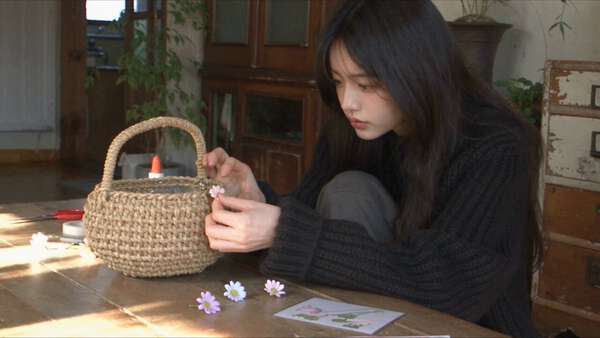
image = Main Subject. Preserve her exact face, identity, hairstyle, skin tone, body proportions, and outfit throughout. Authentic Southeast Asian/Korean woman, early-2000s atmosphe…
THE LAST PAPER CRANE
@Image1 is the exact face/identity reference. Young Korean woman, early 20s, natural Korean features, long black hair in a loose low ponytail, cream vintage blouse, dark olive midi skirt, brown ankle boots, burgundy scarf, tan leather handbag, holding a white paper crane. Keep face, outfit, hair, and proportions consistent.
Setting: 1940s Seoul at golden hour — narrow hanok streets, tiled rooftops, wooden gates, lanterns, stone paths. The environment gradually transforms into a surreal floating origami world while she remains under normal gravity.
Timeline — 30s, continuous camera movement:
- 0–3s: She walks through a quiet alley as rooftops slowly unfold like paper. - 3–6s: The stone path curves upward; doors and lanterns rotate vertically. - 6–9s: The street becomes a floating staircase surrounded by rooftops and drifting paper. - 9–12s: She crosses a suspended stone bridge above Seoul beneath a golden sky. - 12–15s: Wind pulls the paper crane away; she reaches for it as her scarf moves naturally. - 15–18s: She follows it through a surreal floating market. - 18–21s: The crane lands in an old courtyard where an elderly Korean woman folds another crane. - 21–24s: She places the crane on the table; the elderly woman points toward the sky. - 24–27s: The entire neighborhood folds together into a giant origami city. - 27–30s: Camera rises above the courtyard, revealing the floating paper city as the crane flies toward the lens.
Style: Photorealistic live-action, amber/soft-teal grade, anamorphic 35mm, shallow DOF, volumetric sunlight, realistic fabric and paper movement, subtle film grain.
Audio: Footsteps, wind, creaking wood, distant market sounds, fabric and paper movement. No music, dialogue, or artificial SFX.
Negative: No anime, cartoon, CGI look, modern elements, face distortion, duplicates, morphing, unrealistic gravity, text, subtitles, logos, watermark, excessive glow, fog, or hard cuts.
Format: 16:9, 30 seconds.
image = Main Subject. Preserve her exact face, identity, hairstyle, skin tone, body proportions, and outfit throughout. Authentic Southeast Asian/Korean woman, early-2000s atmosphe…
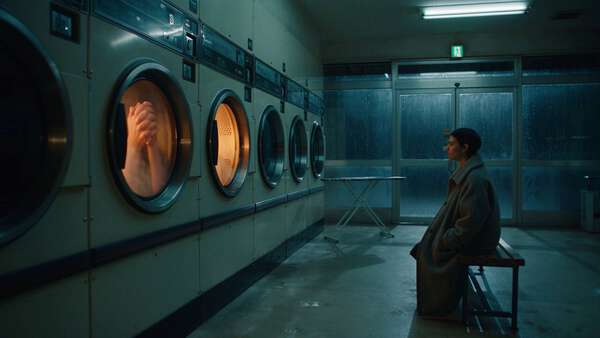
SCENE CONTEXT: Empty 24-hour coin laundromat in Osaka, 3am. A woman in an oversized grey coat sits alone. Each dryer window shows a different warm memory of her life instead of clo…
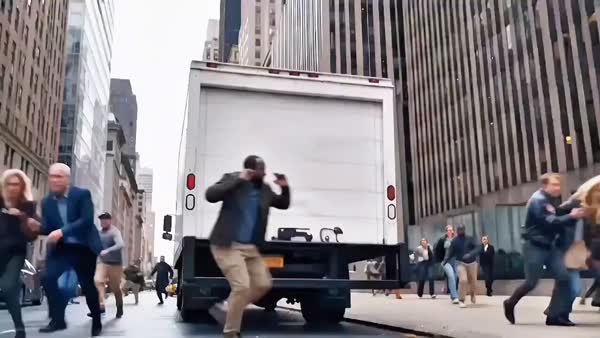
Photoreal overcast Manhattan street, wet asphalt, yellow taxis. A giant reddish-brown octopus with red eyes bursts from a white box truck, throws cars, and smashes traffic as peopl…
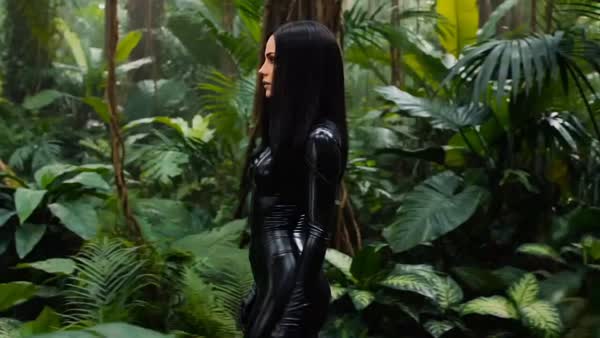
Cinematic realistic jungle scene, misty rainforest, soft natural light. A tall woman with long black hair in a glossy black bodysuit walks forward, then crouches low. Extreme close…
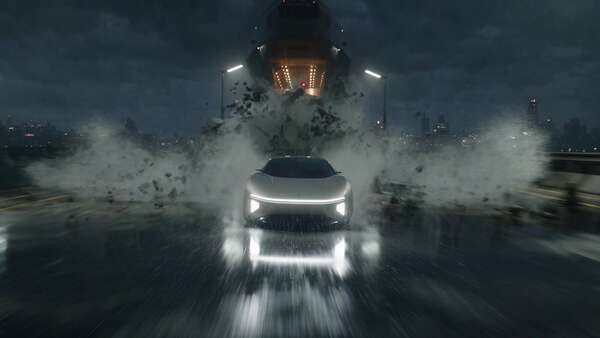
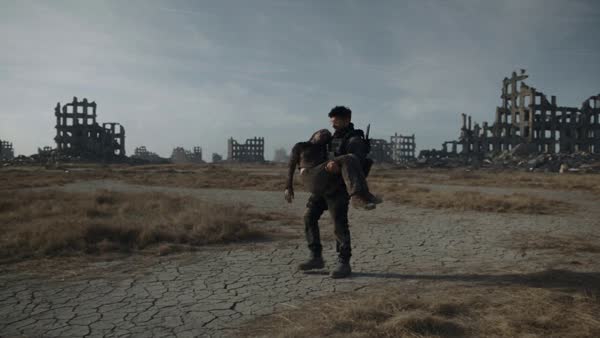
courier must reach a departing cargo airship while two interceptors close in. The camera follows the road as it rotates from street to wall to ceiling, then releases into open-air …
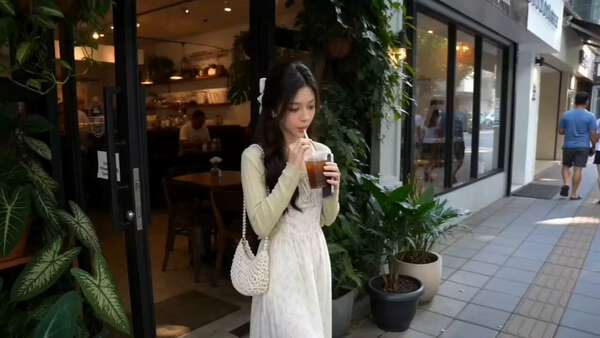
Main Subject: Young Korean woman, 24, naturally attractive, realistic skin, minimal makeup, long dark hair worn completely loose and naturally flowing around her shoulders. Minimal…
Create a 60-second ultra-realistic cinematic lifestyle vlog featuring a beautiful young Korean woman with long dark brown hair, soft natural makeup, and a gentle smile. She wears a…
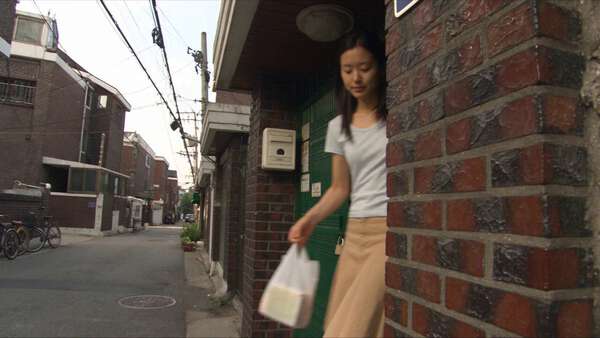
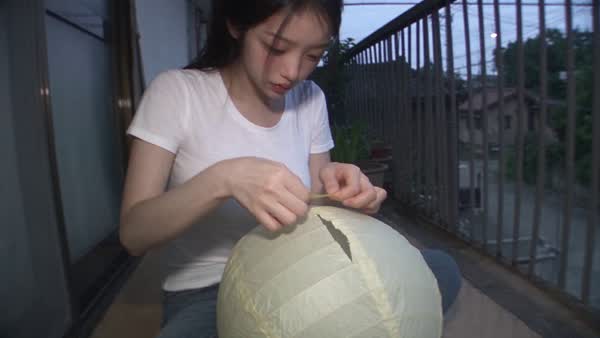
Create a 30-second ultra-photorealistic early-2000s Korean DV-camcorder home video of a young Korean woman spending a quiet afternoon exploring an older Seoul residential neighborh…
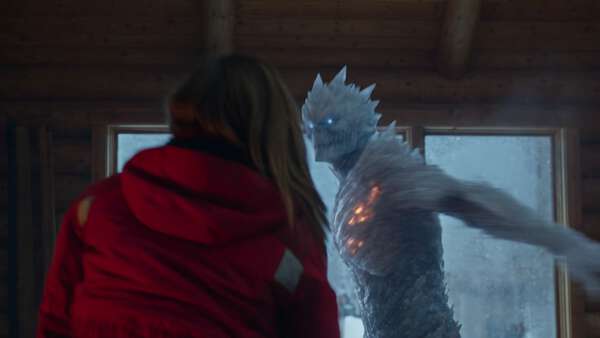
Cinematic horror-thriller short film set at a mountain ski resort lodge during a snowstorm, opens with an immediate hook, grounded realistic style, maximum dynamic camera work. Set…
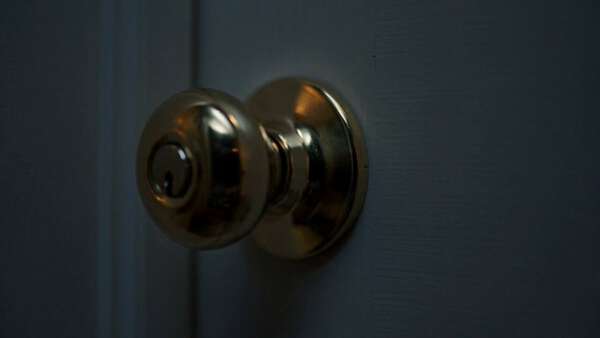
REFERENCE: @img1 = main character's face and look (use the close-up for her face). The friend, bedroom, and door are described fully in this prompt, so no other images are required…
16:9 | EXTREME LIVE-ACTION PHOTOREALISM | RAW DOCUMENTARY CINEMATIC REALISM. Natural lighting, realistic skin/hair/fabric/dust/grass, authentic human performance, real weight and p…
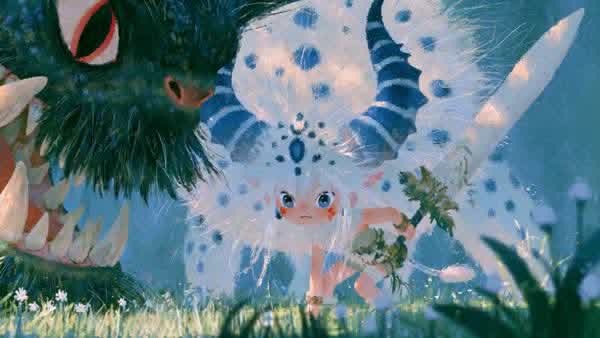
使用 @Image1 定义守护者的身份与外观,包括白发、蓝眼睛、面部纹路、白蓝相间的毛皮轮廓、服装和一把超大单剑;同时定义巨型生物的深色毛发、面部、牙齿及其与守护者之间的体型比例。 保留蓝色林地、花朵、柔和光线和带纹理的手绘风格,但不要继承守护者固定的严肃表情,也不要让任何角色停留在参考图的姿势中。 她是一名开朗、调皮的森林助手,很享受解决这个荒唐问题的过程…