Azure Dragon and White Tiger: Chinese Mythic Beasts
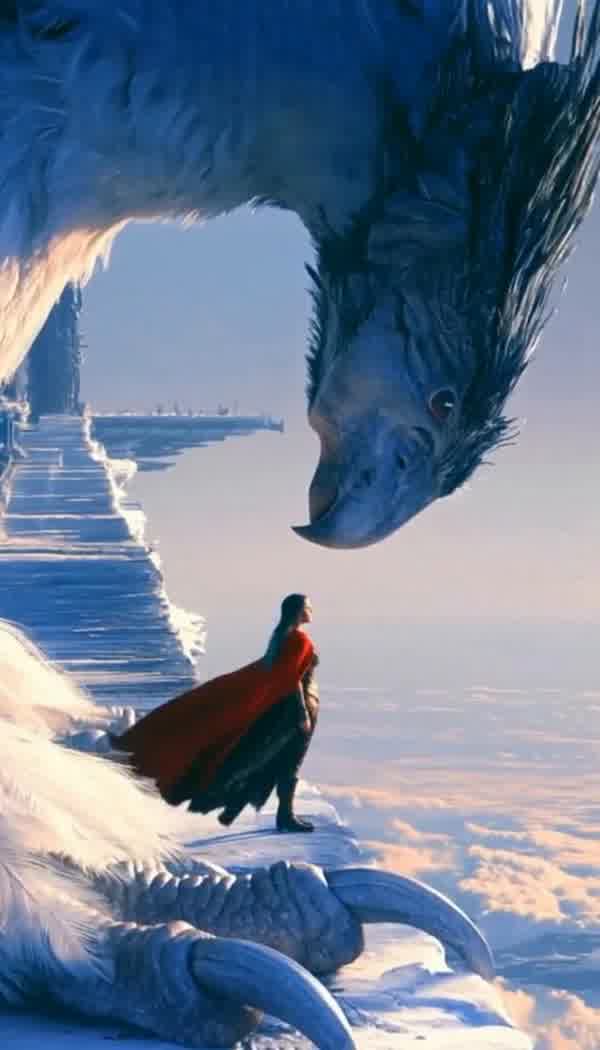
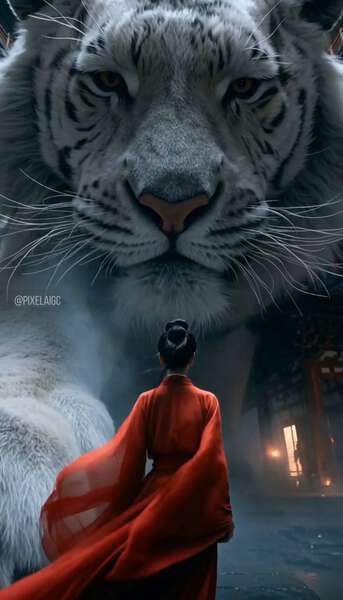
Slow push-in with slow orbital camera movement. A colossal white tiger lowers its head and slowly extends its right front paw toward a woman in a flowing red robe. Mist swirls arou…
15-second, 16:9 horizontal video. A fusion of live-action empty surgical operating room footage and surreal hand-drawn animated VFX.
A clean but realistically used operating room after hours, illuminated by cool overhead surgical lights, small monitor screens, equipment indicators, and faint light from the corridor. An empty operating table sits in the center surrounded by instrument trays, cables, stools, an anesthesia machine, folded surgical drapes, stainless-steel surfaces, and medical equipment. No patient, surgery, blood, wounds, or graphic medical imagery is visible. The footage feels like spontaneous one-handed smartphone recording, with natural hand shake, low-light sensor noise in darker corners, autofocus hunting between equipment, slight motion blur, imperfect framing, and subtle auto-exposure fluctuations around the bright surgical lamps.
0–3 seconds: A gloved hand places a metal surgical instrument onto a stainless-steel tray. At the instant the instrument touches the surface, a thin turquoise colored-pencil line leaks from beneath it and rapidly sketches itself across the reflective metal. The line loops around the instruments, breaks into rough vibrating fragments, then those same strokes curl upward and continuously reshape into a tiny hand-drawn bird made from turquoise chalk and crayon marks. The bird flaps off the tray toward the operating table. It moves first, while the camera reacts a fraction of a second later, lifting abruptly and following with an imperfect handheld pan.
3–6 seconds: The bird lands on a folded blue surgical drape. Its wings flatten against the fabric, unravel into dozens of turquoise scribbles, then spread through the folds like animated embroidery. The lines turn orange as they twist together, rise from the fabric, and continuously reshape into a tiny four-legged creature made from loose thread-like strokes. It runs across the operating table and leaps toward a nearby patient monitor. The creature moves first while the camera hesitates, briefly focuses on the drape, then quickly pans after it.
6–10 seconds: The creature touches the dark monitor screen and instantly flattens into a rough two-dimensional drawing trapped behind the glass. It races through the screen while its orange body stretches into a jagged animated waveform. The waveform bends, fragments, loops around itself, then continuously reshapes into dozens of tiny pink hand-drawn birds. They burst visually out of the screen, circle the surgical lamp, then collide together above the operating table. Their wings unravel into chaotic pink, yellow, and blue brushstrokes that twist and continuously merge into an enormous floating origami-like whale made entirely from unstable crayon drawings. The whale swims slowly through the air toward the surgical lights. The animation moves first, forcing the camera operator to step backward around the operating table and tilt upward slightly late to keep it in frame.
10–13 seconds: The illustrated whale brushes against the large circular surgical lamp. Its body collapses into hundreds of colorful scribbled strokes that spread around the lamp's real circular structure. Small illustrated arms suddenly grow from its edges, followed by crooked cartoon legs, eyebrows, and a playful mouth, turning the surgical lamp into a strange hand-drawn character. It rotates toward the camera, but its expression suddenly distorts. The mouth stretches into looping brushstrokes, the arms multiply, and its colored marks spiral outward until the entire lamp continuously reshapes into a giant floating flower-like creature with dozens of uneven illustrated petals. The creature rapidly opens above the operating table. The camera reacts late, jerks upward, briefly loses focus against the bright light, then struggles to correct the exposure.
13–15 seconds: The giant illustrated flower closes around the surgical lamp, then its petals unravel into long multicolored crayon strokes. The strokes crawl across the ceiling in every direction, travel around fixtures, then converge directly above the operating table. They continuously reorganize into an enormous hand-drawn night sky covering the ceiling, filled with rough stars, tiny planets, scribbled clouds, and a huge crescent moon. At the final moment, the crescent moon bends downward like a paper flap, revealing a tiny illustrated astronaut behind it who casually waves at the camera. The drawing acts first while the camera slowly tilts upward a fraction too late, ending with slightly imperfect framing.
All animated elements remain unmistakably handmade, using rough crayon, chalk, colored-pencil, dry-brush, pastel, scribbled ink, irregular outlines, uneven coloring, visible stroke grain, imperfect fills, fuzzy edges, uneven opacity, slight color bleeding, and constant frame-by-frame line wobble. Every transformation maintains visible physical continuity through flattening, unraveling, stretching, fragmenting, folding, tangling, spreading, reconnecting, and reshaping, never disappearing and being replaced by another object. The animation always initiates movement first while the camera reacts slightly late. Maintain one uninterrupted smartphone take through the same physically connected operating room, moving naturally from instrument tray → operating table → monitor → surgical lamp → ceiling. Preserve realistic depth, reflections, surface contact, and occlusion as drawings travel across fabric, metal, glass, equipment, and ceiling surfaces. No patients, blood, wounds, exposed anatomy, graphic surgery, overly precise 3D CGI, excessively smooth vector lines, neon-tube-like visuals, perfectly stabilized gimbal footage, overly cinematic lighting, polished advertising-style compositions, perfect symmetrical framing, instant object replacement, teleportation, cuts, scene transitions, subtitles, logos, or background music. Environmental audio only: quiet operating-room ventilation, distant equipment hum, subtle monitor beeps, metal instrument sounds, footsteps, fabric movement, phone handling noise, faint pencil scratching, chalk scraping, and soft crayon sounds synchronized with the transformations.
Slow push-in with slow orbital camera movement. A colossal white tiger lowers its head and slowly extends its right front paw toward a woman in a flowing red robe. Mist swirls arou…
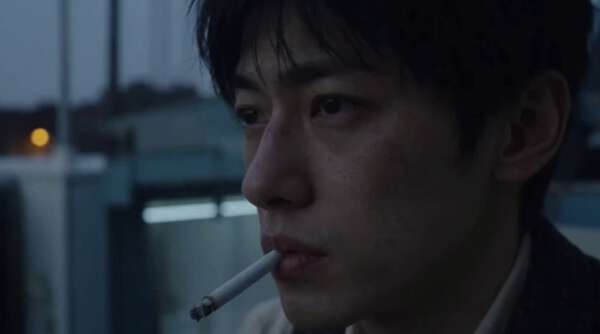
r34l1sm subject_definitions: <Subject 1> is the adult man from @Image1 , preserving his facial structure, tousled black hair, natural skin texture, cream shirt, and dark checked…
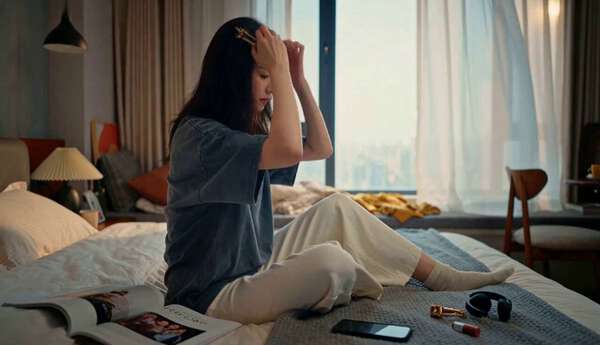
# 基础规格 时长20秒,16:9横屏,中文对白,超真实真人电影质感。 类型: 都市生活切片 × 轻关系悬念 × 秋日氛围 × 自然舞蹈动作 × 未完成的故事。 整支视频不要追求夸张奇观。 核心目标是: **真实、自然、好看、关系感强,让观众想知道两个人以前发生过什么。** 核心事件: 女主原本一个人在家随意收拾准备出门。 镜头外一个她很熟悉的人突然发来一句…
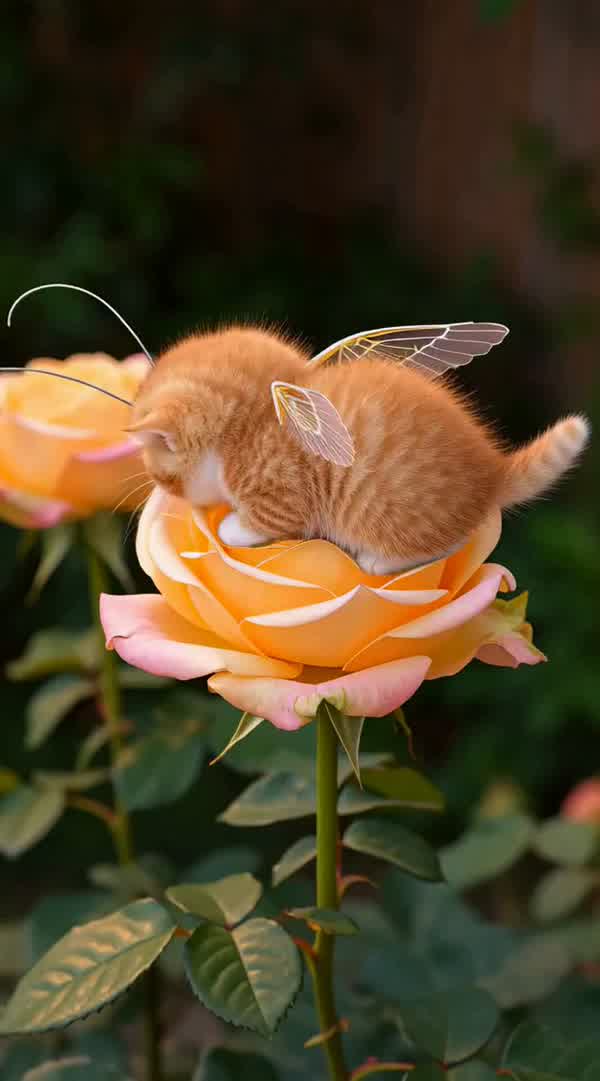
第一视角,近景,一朵玫瑰花上,有一只非常小的橘猫趴着采蜜,它长着一对翅膀,两条触须,一只手从画面外面伸进来,用手指轻轻捅一下猫咪的背部,再捅一下,猫咪转过头来看向镜头,然后它展动翅膀飞起来,悬停在玫瑰花的上面。这时,这只手伸开来,手掌朝上,向小猫咪招一下手,小猫咪就展动翅膀降落在手掌心,然后非常温顺的趴在手掌心,眯着眼睛睡着了。
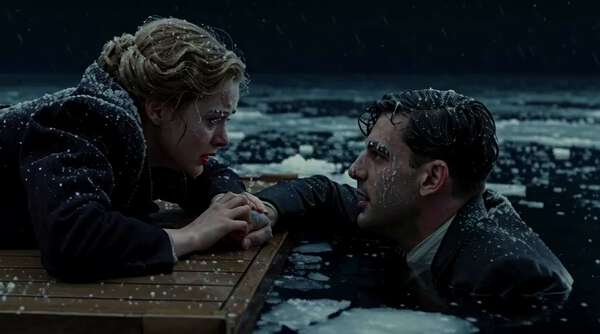
【整体设定】 25 秒,写实电影质感,1912 年北大西洋深夜,巨轮沉没之后,漂浮的木舱门残骸旁。天然同步中文对白(可切英语原声),原生唇形逐字对齐。2.39:1 宽银幕,24 帧轻微手持呼吸感。冷蓝月光、水面反光与冰雾,胶片颗粒。非戏剧化、非广告光。戏剧前提:男主半身浸在冰海中,女主趴在残骸板上,他把自己最后的体温与生机让给她,在放手前完成道别。 【人物一…
巨大的神鸟蓄力,一跃而起,展开翅膀飞上天空,翅膀把天空都遮住了,镜头推进,镜头环绕,最后定格在神鸟与红衣女子的对峙上,开头一跃要猛
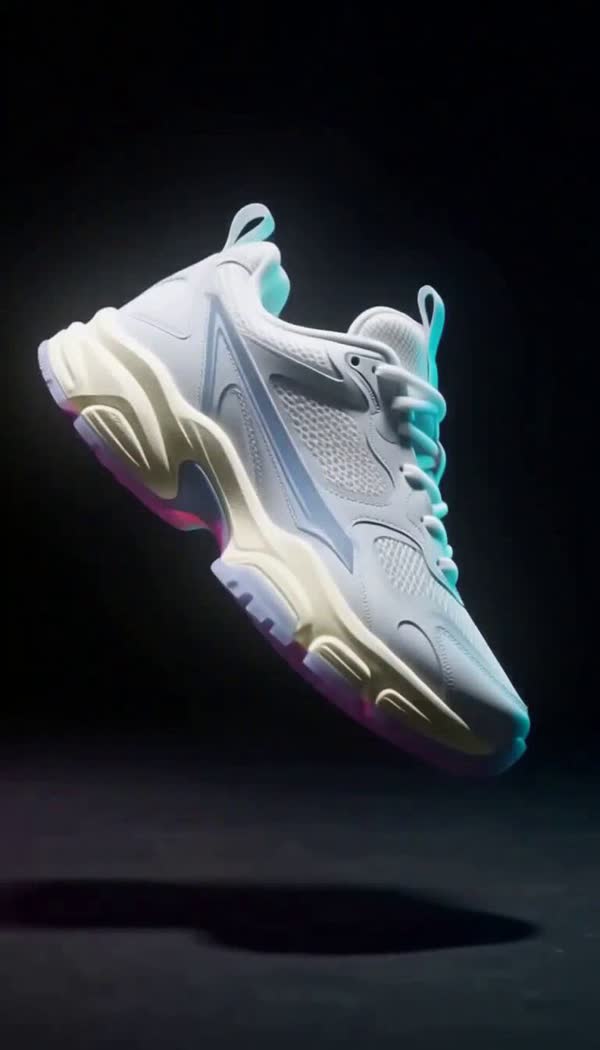
A 15-second vertical 9:16 video, 24fps, sleek streetwear-commercial style. 0-2s (hook): Black screen, then a sudden flash of light reveals a sneaker mid-air, spinning slowly. Hard …
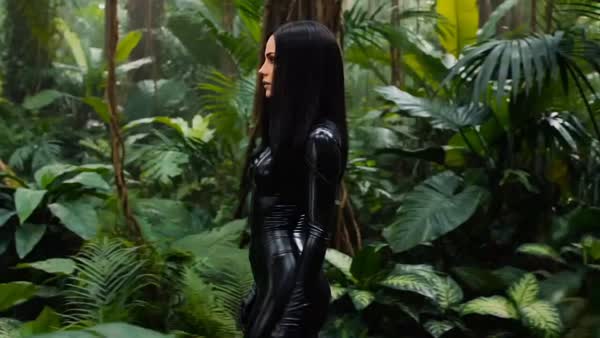
Cinematic realistic jungle scene, misty rainforest, soft natural light. A tall woman with long black hair in a glossy black bodysuit walks forward, then crouches low. Extreme close…
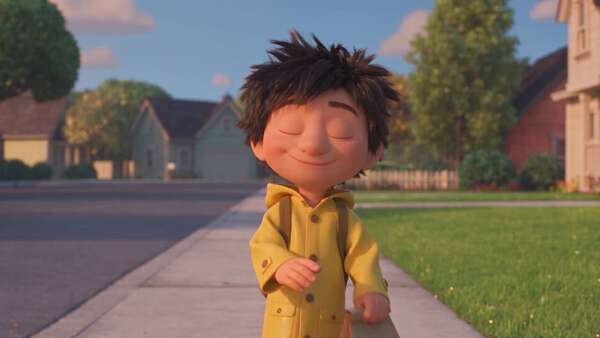
Create a cinematic, high-quality 30-second animated short film set in a charming suburban neighborhood on a bright summer day. Follow a young boy in a yellow raincoat and colorful …
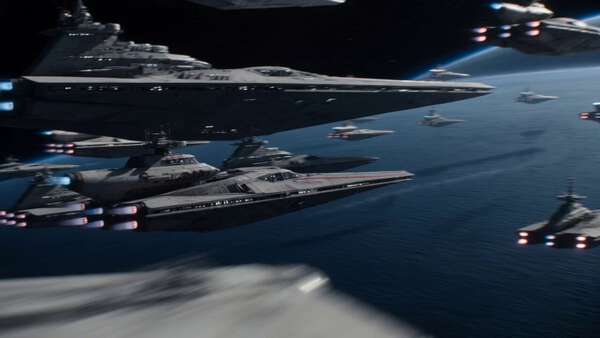
15-second cinematic photorealistic science-fiction action short, 16:9. A massive human exploration fleet arrives above a completely ocean-covered alien planet. Suddenly the entire …
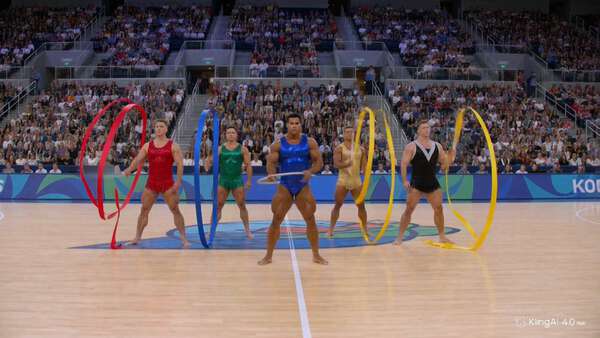
Bodybuilders doing rhythmic gymnastics: Oiled bodybuilders in sequined leotards twirl ribbons and hoops on a gym floor, one tosses a hoop 20 feet up and catches it on his flexed bi…
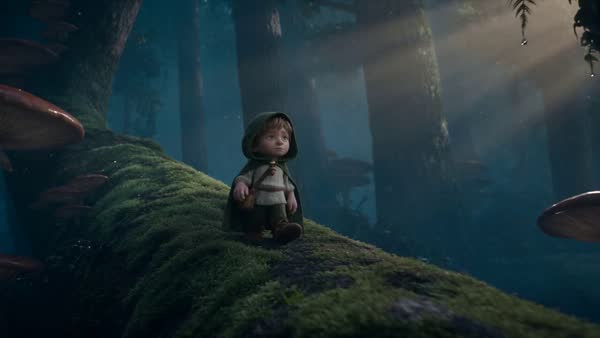
Create a 15-second cinematic, photorealistic fantasy scene in an enchanted forest. A young girl in a green hooded cloak discovers a tiny glowing magical light on moss → she kneels …