A Banana's Whole Life, in One Garden Timelapse
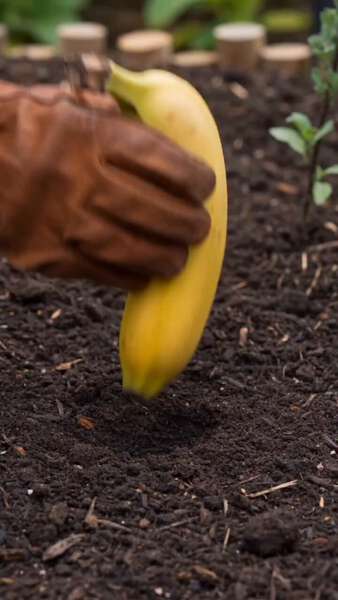
Create a photorealistic cinematic banana growth time-lapse in a real outdoor garden. Start with a ripe yellow banana being gently placed horizontally on dark, moist soil. The banan…
Create a 15-second seamless reverse-destruction animation. The camera remains completely fixed in a corner-high wide position, same height, angle, focal length and composition throughout. No push-in, pull-out, panning, rotation, zoom, handheld shake or reframing. Room dimensions, walls, window, doorway and furniture footprints remain completely unchanged throughout the restoration. 0–3 seconds: The scene begins as a ransacked apartment study at night — drawers emptied, papers strewn, a toppled lamp, a shattered glass, an overturned chair, evidence markers on the floor. Cold forensic light. Dust hangs. The scattered paper begins sliding inward across the floor. 3–6 seconds: Paper stacks itself into ordered piles, then files back into drawers which slide shut. Books rise from the floor and shelve themselves in alphabetical order. The evidence markers lift and vanish one by one, in numbered sequence. 6–9 seconds: Glass fragments retrace their paths across the floorboards and reassemble into an intact tumbler on the desk, liquid pooling back inside it. The lamp rights itself and its bulb re-illuminates. The chair rotates upright and slides to the desk. 9–12 seconds: Detail restoration. Torn photographs knit back together in their frames and re-hang square on the wall. A cracked screen heals and wakes. Spilled ink withdraws into its bottle. The forensic light fades out and warm practical lamplight takes over. 12–15 seconds: The room reaches its state before the break-in — ordered, warm, lived-in, a coat on the back of the chair. Everything settles and holds perfectly still for the final second, with one drawer left very slightly ajar. Overall style: Ultra-realistic neo-noir cinematography, photorealistic materials, physically accurate reverse-motion physics, moody practical lighting with hard shadows, high detail, film-grain-free cinematic realism, 8K quality.
Create a photorealistic cinematic banana growth time-lapse in a real outdoor garden. Start with a ripe yellow banana being gently placed horizontally on dark, moist soil. The banan…
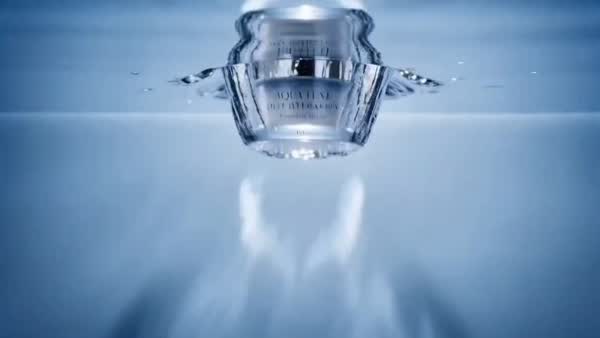
Created Video Prompt: Create a luxurious, high-end skincare commercial for AquaLuxe Deep Hydration Cream, using a soft icy-blue and white color palette with a clean, premium beauty…
Create a heartfelt, cinematic scene symbolizing strength, faith, healing, and hope during a difficult health journey. Soft natural lighting, peaceful atmosphere, emotional but dign…
A miniature adult man with short black hair and a trimmed beard, wearing a red hoodie, blue jeans, white sneakers, and a black backpack, happily jumping and dancing on top of a gia…
15-second cinematic photorealistic science-fiction action short, 16:9. A massive human exploration fleet arrives above a completely ocean-covered alien planet. Suddenly the entire …
Create a 15-second cinematic everyday-life sequence in one continuous, unbroken shot. The camera moves rapidly and gracefully throughout. People work at a normal brisk pace; they d…
part A: [风格与镜头] 照片级真实,9:16竖屏,15秒连续长镜头。中国南方乡村,闷热的夏日下午。摄影者坐在路边停着的家用车里,隔着前挡风玻璃拍摄驶来的泳池拖车。 仪表盘和挡风玻璃下缘始终留在画面底部。自然手抖、笨拙数码变焦、放大后略糊、玻璃反光、压缩噪点、普通手机曝光波动。平淡日光与斑驳树荫,无电影调色、慢动作、切镜或美颜。 [人物锁定] 预设成年…
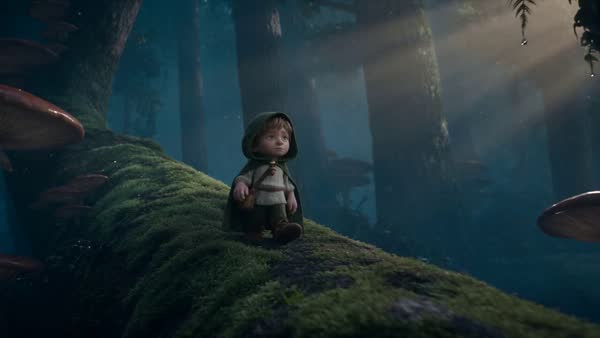
Create a 15-second cinematic, photorealistic fantasy scene in an enchanted forest. A young girl in a green hooded cloak discovers a tiny glowing magical light on moss → she kneels …
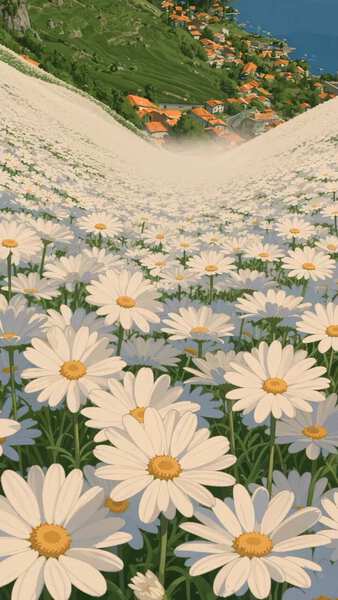
> A cinematic anime-style scene of a young man riding a small scooter down a winding mountain trail covered with beautiful white daisies. Vast turquoise-blue alpine lake, dramatic …
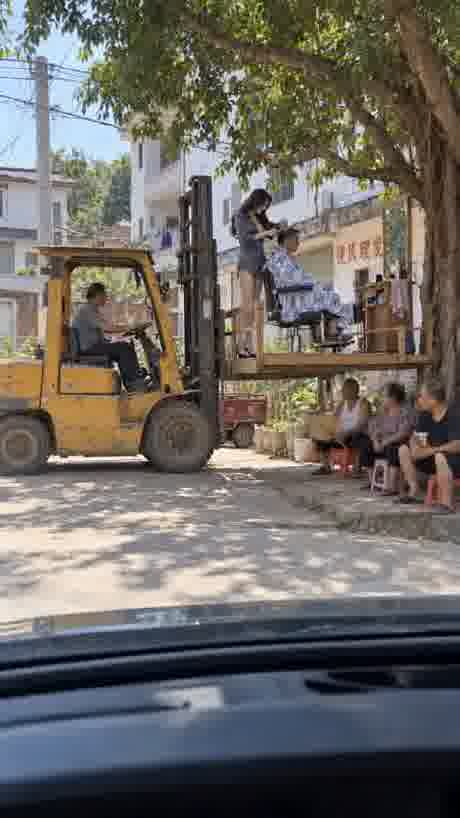
part A: [整体设定] 9:16竖屏,15秒连续长镜头。中国南方乡村,闷热的夏日下午。村道旁一家乡村理发店正在把门口晒太阳的理发平台挪进树荫,一辆旧黄色叉车托着整套理发摊缓慢移动。现场荒诞,但村民起初表现得习以为常。 [环境与氛围] 参考场景参考图  ChatGPT 图像 2026年9月30日 23_24_14 狭窄水泥村道,一侧是水泥与红土混合的空…
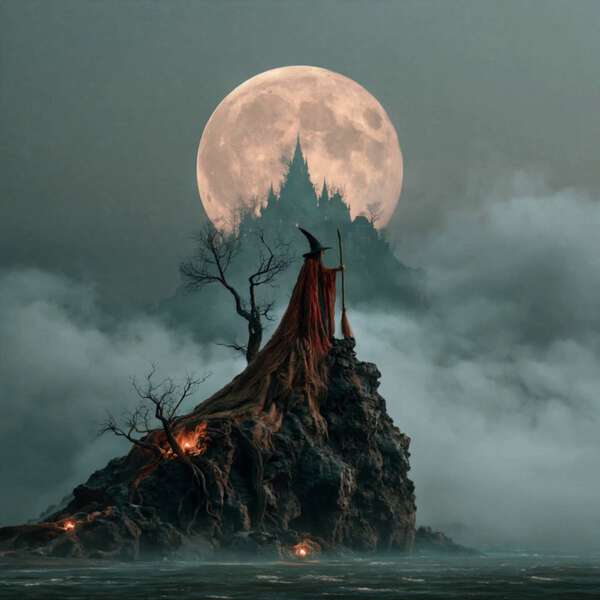
hyper-realistic cinematic dark fantasy, energetic and playful flying sequence. Start exactly from @image1. Preserve the witch, her long dark red cloak, pointed black hat, broom, ro…
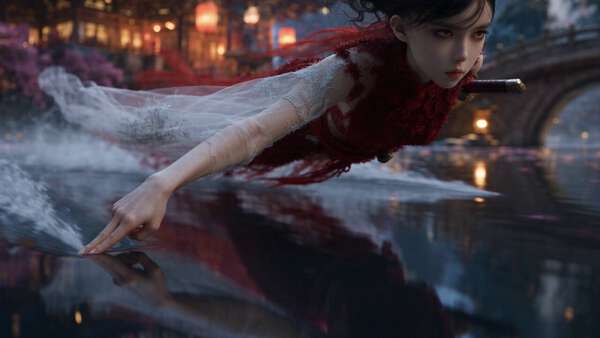
一、Ultra-realistic 3D animation, cinematic quality, hyper-detailed hair and fabric textures。二、 分镜脚本 【分镜一】蓄势出鞘 (00:00 - 00:03) * 画面内容:女刺客在平静的水面上急速低空滑行,右手擦过水面激起弧形浪花。随后快速切至正面特写,角色眼神冰冷犀…