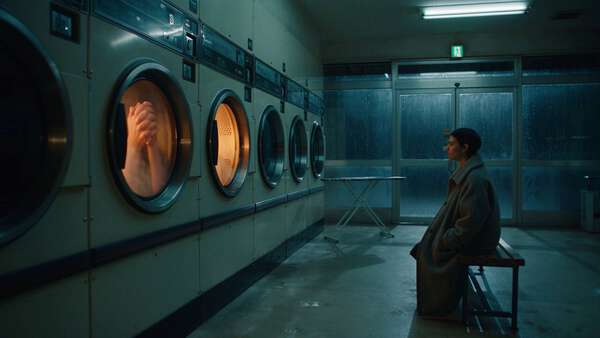
Every Dryer Holds a Different Memory
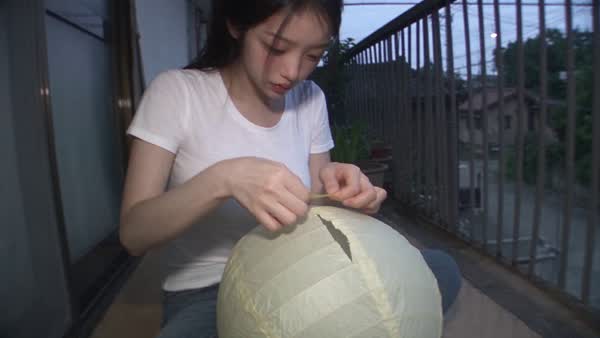
SCENE CONTEXT: Empty 24-hour coin laundromat in Osaka, 3am. A woman in an oversized grey coat sits alone. Each dryer window shows a different warm memory of her life instead of clo…
An open-source collection of awesome video prompts. · Collected 7,195 prompts
🚂“The Last Car”
with a horizontal widescreen film aspect ratio embedded in the center and black bars at the top and bottom. Filmed in a realistic cinematic style, this is a fantasy disaster action film featuring steampunk monsters in a high-speed car chase, set against epic mountain peaks and deep canyons, with vintage black steam trains, morning mist, golden sunset, mixed warm and cool natural lighting, steam, dust, intense motion blur, and realistic VFX. The overall tone must be tense, oppressive, and intense, with a clear contrast between fast and slow shots; avoid evenly paced segments or a straightforward narrative.
[Character Specifications] Image 1 serves as the sole monster reference; specifications are strictly defined: slender and elongated, quadrupedal, with extremely long forelimbs; wet, blackish-gray-brown skin; cold, white eyes; a long, deeply fissured mouth; massive claws; a wet, slimy, and feral appearance. Its movements resemble a hybrid of an ape, a spider, and a hunting dog, with extreme explosive power—like a true predator capable of tearing apart train cars. Figure 2 serves as the sole reference for the female protagonist, Alin. Strictly define her as follows: long, straight, light-gold hair; a white sleeveless top; jeans; brown knee-high boots; calm and composed; and possessing an extremely strong will. She carries a slender, ancient metal casket or glowing artifact in her arms; the monster is truly after her and this artifact.
【Setting】 High mountain gorges, cliffs, forests, deep valleys, rivers, ancient railway viaducts, and the remains of a collapsed bridge. The train must be an old-fashioned steam locomotive: a heavy black engine, wooden passenger cars, a sheet-metal roof secured with rivets, massive mechanical wheels, and a long tail of white high-pressure steam. No modern trains, no modern cities, and no cartoonish elements.
【Pacing and Timeline】 0.0–3.8s: A long establishing shot. An extreme long-shot aerial view sweeps over high mountain gorges and rolling mountain ranges; mist flows along the mountain slopes, and golden afternoon sunlight pierces through the clouds as the steam train travels along the canyon railway, trailing a long tail of white steam. The camera slowly but steadily zooms in on the last car. A brief glimpse of Alin is seen by the window, clutching a slender metal case tightly in her hand. Her expression is tense—she does not look like an ordinary passenger. In the distance, the silhouette of a wet, black monster races down a mountain ridge at high speed, planting the seeds of danger.
3.8–6.2s: A series of rapid cuts show the danger closing in. A medium-close-up inside the car: Alin suddenly looks up; on the side of the exterior, the main monster charges at high speed along the cliff and the train’s body; in the next instant, the monster’s claw smashes the window of the last car, sending the wooden frame and glass bursting inward, its cold, white eyes and gaping jaws nearly bursting into the frame. This must be fast and brutal, creating the first jump scare.
6.2–8.4s: Quick cuts to the female lead’s actions. Alin doesn’t scream or back away; instead, she turns, grabs the keepsake, and dashes toward the rear door. She violently pushes open the roof hatch and climbs onto the roof, braving the gale-force wind. As she lands on the metal roof, she nearly slips off, but clings desperately to the edge of a rivet with one hand to steady herself. The POV shot from the roof moves forward at high speed, with steep cliffs whizzing by on both sides and steam rushing toward the camera, creating an intense sense of speed. She is actively luring the monster away from the passenger compartment.
8.4–11.6s: A steady, oppressive sequence. The main monster lands heavily on the roof ahead, causing the metal to rumble and dent. The camera pulls back along the roof without a quick cut, creating a tense composition with the monster in the foreground and Alin in the background. The monster crouches low as it closes in, its claws digging into the metal one by one; slime is whipped away by the gale, and steam and sunlight filter through the gaps between its limbs. Alin slowly straightens up, raises the heirloom, and deliberately lures it to chase her. This moment must be steady and intense, making the audience truly feel “the second before the big battle.”
11.6–14.8s: The film’s most intense quick-cut climax. The monster suddenly lunges; its claws rip through the edge of the roof; Alin is forced by the impact to slide toward the edge of the car; the camera cuts to a close-up tracking shot along the exterior of the car, with half her body hanging over the deep ravine; the monster chases her down along the exterior of the car, its face almost right in her face, its claws scraping against the wood and metal edges, sending sparks flying; at the very last moment, Alin grabs a metal bar and flings herself back onto the roof. Every shot here is short, intense, and perilous, creating a continuous sense of suffocating tension.
14.8–16.8s: The counterattack sequence. Without pausing after flipping back onto the roof, Alin immediately jams the slender artifact forcefully into the steam valve mechanism; the next second, high-pressure white steam erupts sideways from the old-fashioned steam locomotive, striking the monster squarely in the chest and forelimbs; its claws scrape long trails of sparks across the sheet metal, and the monster is knocked off balance by the steam, sliding backward out of control before tumbling into the white mist, dust, and the edge of the canyon. The steam, sparks, the vibration of metal, and the swaying of the train car must all feel utterly realistic, building toward the second major climax.
16.8–17.8s: A mere half-beat’s respite. The camera finally steadies as Alin kneels on the train roof, panting heavily, her hair disheveled, her white shirt speckled with droplets of steam and dust. It seems she’s just bought herself a little time, but as she looks up, her expression instantly turns cold.
17.8–21.0s: The ultimate twist comes to a sudden halt. The ultra-wide shot quickly pulls back, revealing the remains of a broken bridge spanning the canyon ahead. In the cold shadows at the end of the tracks, the boss monster has already been crouching in the center of the bridge—low to the ground, coiling with power, blocking the train’s path head-on. It didn’t fall to its death but instead cut across to the front via a faster, more ferocious route to intercept the train. Cutting back to Alin on the train roof, she slowly stands up against the howling wind, clutching the memento tightly, fully prepared for battle. The final freeze-frame shows: the monster from Figure 1 in the center of the broken bridge, Alin from Figure 2 on the train roof behind it, and the entire vintage steam train hurtling them toward a head-on collision at an unstoppable speed—the battle between man and beast erupts in the very next second.
[Cinematography] For the setup sequence, use an ultra-wide aerial shot that slowly zooms in; for the danger sequence, use a rapid three-cut montage of the interior, exterior, and shattered window; for the rooftop sequence, use close-up tracking shots and a rooftop POV; for the confrontation sequence, use a ground-level reverse tracking shot to build tension; For the climactic sequence, use close-up tracking shots along the exterior of the train cars, low-angle shots of near-misses, and extremely short quick cuts; for the counterattack sequence, emphasize the steam valves, white mist, sparks, and the vibration of metal; for the conclusion, lock the frame on an ultra-wide shot of the broken bridge. Shots must feature a clear contrast between fast and slow pacing; average-paced editing is not permitted.
【Lighting Language】 The golden morning slanting sunlight in the valley serves as warm backlighting, while the deep shadows of the canyon provide cool, gray ambient light; steam and morning mist cut through the layers of light. Close-ups of the monster must be wet, cold, dirty, and wild; close-ups of Alin must be hard, steady, and fierce. In the finale, half of the broken bridge is submerged in cold shadows, while the other half is illuminated by the slanting sunlight, creating a sense of a fateful showdown.
【Sound Design】 The rhythmic clatter of train wheels, the rumble of the tracks, the eruption of steam, the wind whistling through the valley, the cracking of wooden carriages, shattering glass, the monster’s low growl, claws scraping against metal and wood, the heavy thud of a crash, the rumbling of the train roof, the explosive burst of high-pressure steam, and the echoes of the canyon. The soundtrack’s low-frequency pulse drives the action forward, with five distinct beat accents: the smashed window, the pounce, the plunge, the steam recoil, and the broken bridge.
SCENE CONTEXT: Empty 24-hour coin laundromat in Osaka, 3am. A woman in an oversized grey coat sits alone. Each dryer window shows a different warm memory of her life instead of clo…
image = Main Subject. Preserve her exact face, identity, hairstyle, skin tone, body proportions, and outfit throughout. Authentic Southeast Asian/Korean woman, early-2000s atmosphe…
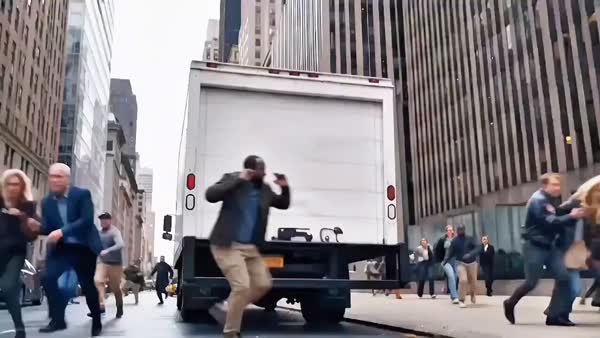
Photoreal overcast Manhattan street, wet asphalt, yellow taxis. A giant reddish-brown octopus with red eyes bursts from a white box truck, throws cars, and smashes traffic as peopl…
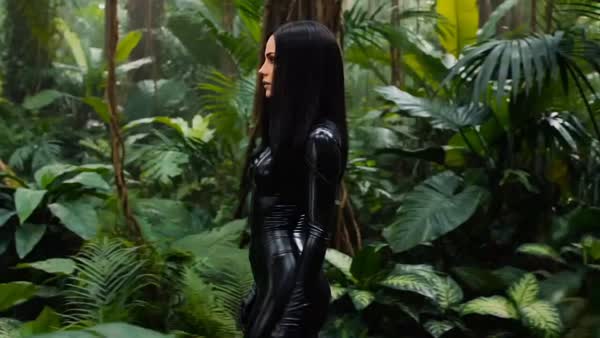
Cinematic realistic jungle scene, misty rainforest, soft natural light. A tall woman with long black hair in a glossy black bodysuit walks forward, then crouches low. Extreme close…
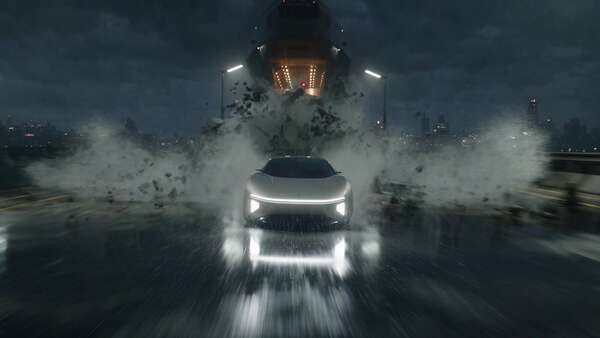
courier must reach a departing cargo airship while two interceptors close in. The camera follows the road as it rotates from street to wall to ceiling, then releases into open-air …
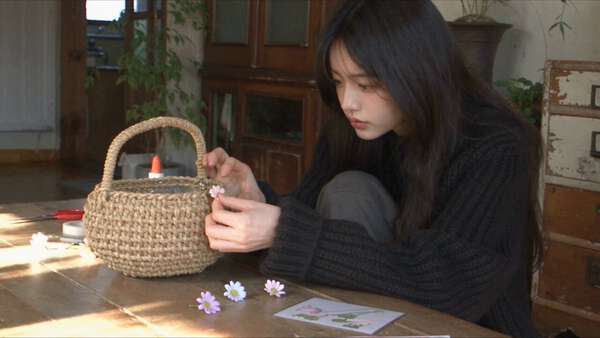
Main Subject: Young Korean woman, 24, naturally attractive, realistic skin, minimal makeup, long dark hair worn completely loose and naturally flowing around her shoulders. Minimal…
Create a 60-second ultra-realistic cinematic lifestyle vlog featuring a beautiful young Korean woman with long dark brown hair, soft natural makeup, and a gentle smile. She wears a…
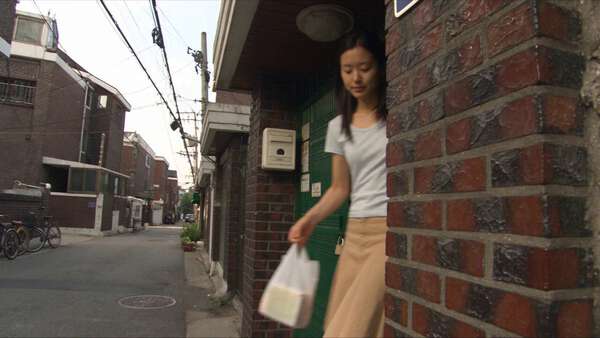
Create a 30-second ultra-photorealistic early-2000s Korean DV-camcorder home video of a young Korean woman spending a quiet afternoon exploring an older Seoul residential neighborh…
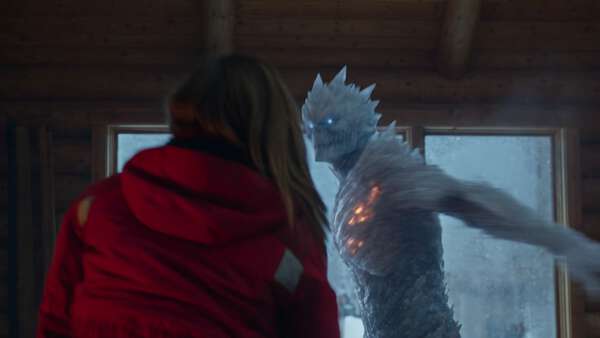
Cinematic horror-thriller short film set at a mountain ski resort lodge during a snowstorm, opens with an immediate hook, grounded realistic style, maximum dynamic camera work. Set…
REFERENCE: @img1 = main character's face and look (use the close-up for her face). The friend, bedroom, and door are described fully in this prompt, so no other images are required…
16:9 | EXTREME LIVE-ACTION PHOTOREALISM | RAW DOCUMENTARY CINEMATIC REALISM. Natural lighting, realistic skin/hair/fabric/dust/grass, authentic human performance, real weight and p…
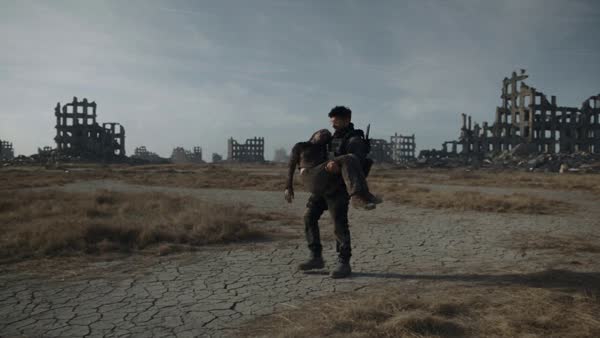
Main Prompt (30s) Cinematic live-action dark fantasy, 30 seconds, 16:9, overcast dusk, desaturated teal-grey grade with deep shadows, handheld camera, shallow depth of field, 24fps…