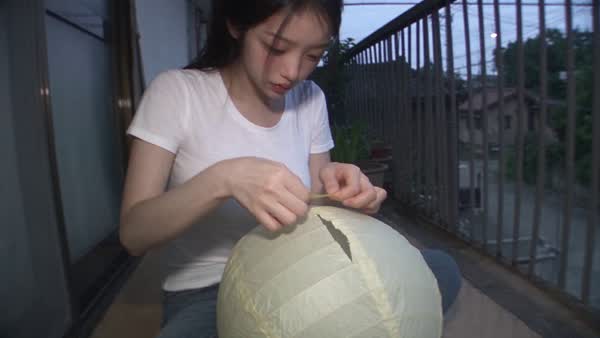
Korean It Girl Random Day
image = Main Subject. Preserve her exact face, identity, hairstyle, skin tone, body proportions, and outfit throughout. Authentic Southeast Asian/Korean woman, early-2000s atmosphe…
An open-source collection of awesome video prompts. · Collected 7,195 prompts
30 seconds of Fictional Live news reporting.
Try it with prompt : 30 seconds | 16:9 | 12-shot live-action news simulation Fictional dramatization. Documentary-style visual realism. FICTIONAL NEWS BROADCAST — NOT REAL NEWS FOOTAGE.
SETTING A fictional Colombian city during the aftermath of a fictional major earthquake. Time: daytime transitioning into early evening. Damaged urban streets, cracked roads, broken windows, partially damaged buildings, emergency vehicles, rescue crews, concerned residents, dust and debris. Authentic Colombian architectural character, Spanish signage and realistic urban activity. No real city, real earthquake, real victims or real disaster footage is referenced.
CHARACTERS A fictional Colombian male field reporter in his late 30s, average build, short dark hair, trimmed beard, wearing a dark waterproof news jacket with a fictional press identification badge and holding a professional handheld microphone. Fictional emergency responders, firefighters, police officers, rescue workers and local residents.
Maintain consistent faces, clothing, hairstyle, physical appearance and character identities throughout the sequence. Human behaviour remains grounded and restrained.
STORY
00–02.5s — LIVE ESTABLISHING Wide handheld television-news shot of a damaged fictional Colombian city street.
Emergency vehicles move through the frame while residents gather near damaged buildings.
REALISTIC NEWS GRAPHICS: fictional channel logo in upper corner LIVE SIMULATION indicator “COLOMBIA” location tag bottom breaking-news ticker time indicator
Graphics remain locked to the broadcast frame.
02.5–05s — REPORTER ARRIVES The camera moves toward the reporter standing beside emergency vehicles.
He looks directly into the lens.
Lower-third appears:
[FICTIONAL CHANNEL] LIVE SIMULATION COLOMBIA
He begins speaking while rescue activity continues behind him.
05–07.5s — DAMAGE Camera turns toward a damaged building.
Broken windows, cracked concrete and scattered debris fill the frame.
Emergency workers move cautiously around the structure.
Ticker continues along the bottom of the screen.
07.5–10s — RESCUE Handheld camera follows rescue workers carefully moving debris.
One responder signals for silence.
The camera operator stops and listens.
Only realistic emergency activity is visible.
10–12.5s — LOCAL RESIDENT Cut to a fictional local resident standing outside a damaged building.
Lower-third:
LOCAL RESIDENT FICTIONAL INTERVIEW
The reporter asks:
“What did you feel when the earthquake happened?”
The resident begins answering naturally.
12.5–15s — REACTION Close handheld shot of the resident continuing to speak.
Other fictional residents move through the background carrying belongings.
The reporter listens off-camera.
No exaggerated emotional performance.
15–17.5s — BREAKING UPDATE Return to the reporter.
He touches his earpiece.
A restrained broadcast banner appears:
BREAKING UPDATE AFTERSHOCK REPORTED
The reporter looks toward the damaged buildings.
17.5–20s — AFTERSHOCK A noticeable aftershock begins.
The camera shakes naturally.
Dust falls from a damaged structure.
People instinctively move away from the building.
Emergency workers give short instructions.
Broadcast graphics remain perfectly screen-locked while the physical camera shakes.
20–22.5s — RESCUE RESPONSE Camera follows emergency workers moving through the street.
An emergency vehicle passes near the camera.
Sirens become louder.
The ticker continues scrolling.
No injuries are shown.
22.5–25s — LIVE UPDATE Camera returns to the reporter.
Lower-third:
[REPORTER NAME] FIELD REPORTER
He says:
“Emergency crews are continuing rescue operations as authorities assess the situation.”
Emergency vehicles remain visible behind him.
25–27.5s — WIDER AFTERMATH Wide handheld shot reveals the scale of the fictional damaged neighborhood.
Rescue crews, police, civilians and emergency vehicles fill the street.
Dust slowly settles.
The LIVE SIMULATION indicator remains visible.
27.5–30s — FINAL LIVE IMAGE The reporter turns toward a distant siren.
Camera pans toward emergency vehicles moving through the damaged street.
Full-width broadcast banner appears:
BREAKING UPDATE EARTHQUAKE AFTERMATH FICTIONAL NEWS SIMULATION
Channel logo, LIVE SIMULATION indicator, location tag and ticker remain visible.
Cut to black.
CAMERA Grounded live-news documentary cinematography.
Mix: wide environmental news coverage medium reporter stand-up shots handheld rescue footage brief interview perspectives close reaction shots
Each 2.5-second shot must feel like footage captured by the same news camera crew.
Natural handheld instability. Realistic operator movement. Plausible camera positions. Autofocus hunting. Small framing corrections. Natural motion blur. Realistic broadcast-camera exposure.
No impossible camera movement. No floating camera. No excessive slow motion. No cinematic drone transitions. No polished Hollywood disaster cinematography.
LIGHTING Lighting originates from the actual environment.
Natural daylight gradually transitioning toward early evening.
Natural exposure changes between open streets, building shadows, emergency vehicles and dusty environments.
Realistic highlight roll-off. Deep but detailed shadows. Emergency lights illuminate nearby surfaces naturally. No artificial rim lighting. No exaggerated disaster lighting.
PHYSICS Real gravity and momentum.
Buildings, vehicles and debris have believable weight. Dust reacts naturally to movement. Loose objects respond realistically to aftershock vibrations. Emergency vehicles move with realistic momentum. People maintain contact with the ground. Clothing responds naturally to wind and movement.
No floating debris. No impossible building collapses. No exaggerated earthquake effects.
HUMAN PERFORMANCE Restrained, believable behaviour during a fictional disaster simulation.
The reporter remains professional but visibly concerned. Rescuers communicate through gestures and short commands. Residents show confusion, exhaustion and anxiety. People instinctively move away from unstable structures during the aftershock.
No screaming without cause. No exaggerated facial expressions. No heroic posing. No theatrical disaster acting.
AUDIO Authentic live-news environment.
Distant sirens. Emergency vehicle engines. Rescue equipment. Footsteps on concrete and debris. People speaking Spanish in the background. Wind moving through damaged streets. Distant traffic. Radio communication. Reporter microphone audio. Natural camera handling sounds.
Reporter dialogue remains clearly intelligible.
No music. No oversized Hollywood trailer effects. No artificial bass drops. No dramatic earthquake sound effects.
VISUAL CHARACTER Photorealistic live-action footage. Authentic television-news documentary character. Natural Colombian urban environment. Natural skin texture. Realistic clothing and emergency equipment. Believable fictional structural damage. Subtle sensor noise. Natural motion blur. Imperfect handheld framing. Realistic broadcast-camera exposure.
The footage should feel like a professionally produced fictional news simulation rather than an actual news report.
BROADCAST GRAPHICS Realistic professional television-news interface throughout the entire sequence.
Fictional channel logo remains consistently positioned in the upper corner. LIVE SIMULATION indicator remains visible. Location identifier remains visible. Lower-thirds appear only when introducing the reporter or interview subject. Breaking-update banners appear during major developments. Bottom ticker continuously scrolls short fictional news updates. Time indicator remains consistent.
Graphics must remain perfectly screen-locked to the broadcast frame.
No floating text. No oversized typography. No futuristic holographic interfaces. No excessive animation. No random graphic changes. No real television network logos.
The broadcast interface should feel like genuine live television while remaining clearly fictional.
Avoid: real news network branding real earthquake footage real victim imagery real casualty numbers graphic injuries corpses video-game aesthetics CGI appearance excessive HDR oversaturated emergency lights plastic-looking faces impossible destruction floating debris perfectly choreographed rescue workers beauty-filter faces Hollywood-style disaster spectacle exaggerated explosions fake-looking news graphics
CONTINUITY Maintain consistent reporter identity, clothing, microphone, emergency responders, vehicles, buildings and damaged streets throughout all 12 shots.
Preserve geographic orientation and screen direction.
Maintain the same fictional damaged neighborhood and environmental conditions between shots.
Maintain consistent fictional channel logo, LIVE SIMULATION indicator, typography, lower-third placement, ticker position and broadcast graphics.
Graphics remain fixed to the camera frame even when the handheld camera shakes.
The fictional earthquake aftermath remains physically consistent across every camera angle.
The aftershock begins from the physical state established immediately before it and naturally affects dust, debris, people and camera movement.
Every 2.5-second shot begins from the physical state established by the previous shot.
The entire sequence must feel like one continuous fictional live-news simulation rather than twelve disconnected clips.
End on unresolved news-report tension.
image = Main Subject. Preserve her exact face, identity, hairstyle, skin tone, body proportions, and outfit throughout. Authentic Southeast Asian/Korean woman, early-2000s atmosphe…
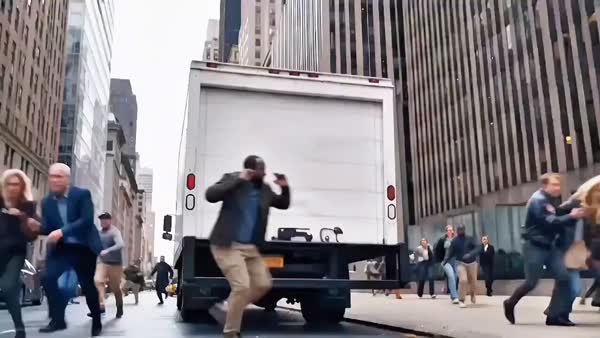
Photoreal overcast Manhattan street, wet asphalt, yellow taxis. A giant reddish-brown octopus with red eyes bursts from a white box truck, throws cars, and smashes traffic as peopl…
Cinematic realistic jungle scene, misty rainforest, soft natural light. A tall woman with long black hair in a glossy black bodysuit walks forward, then crouches low. Extreme close…
courier must reach a departing cargo airship while two interceptors close in. The camera follows the road as it rotates from street to wall to ceiling, then releases into open-air …
Main Subject: Young Korean woman, 24, naturally attractive, realistic skin, minimal makeup, long dark hair worn completely loose and naturally flowing around her shoulders. Minimal…
Create a 60-second ultra-realistic cinematic lifestyle vlog featuring a beautiful young Korean woman with long dark brown hair, soft natural makeup, and a gentle smile. She wears a…
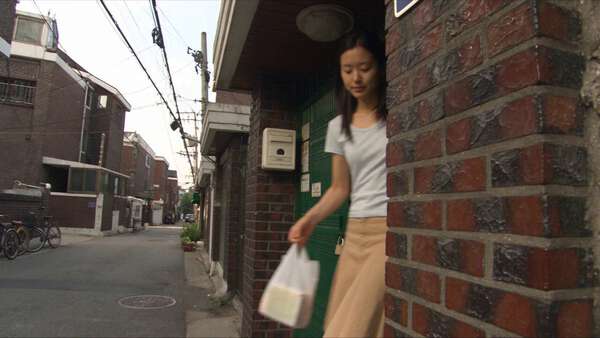
Create a 30-second ultra-photorealistic early-2000s Korean DV-camcorder home video of a young Korean woman spending a quiet afternoon exploring an older Seoul residential neighborh…
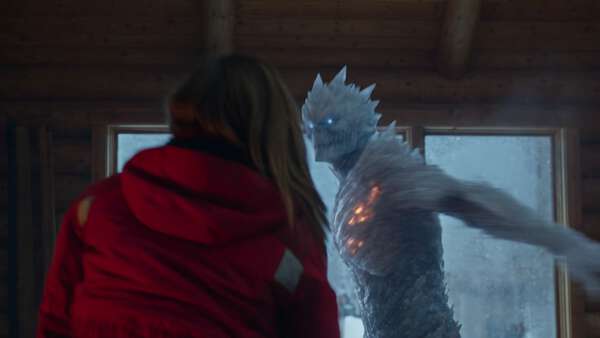
Cinematic horror-thriller short film set at a mountain ski resort lodge during a snowstorm, opens with an immediate hook, grounded realistic style, maximum dynamic camera work. Set…
REFERENCE: @img1 = main character's face and look (use the close-up for her face). The friend, bedroom, and door are described fully in this prompt, so no other images are required…
Subject A young East Asian woman with long brown hair, wearing a beige trench coat, blue jeans, white sneakers, and carrying a black shoulder bag, enjoying a peaceful solo day out …
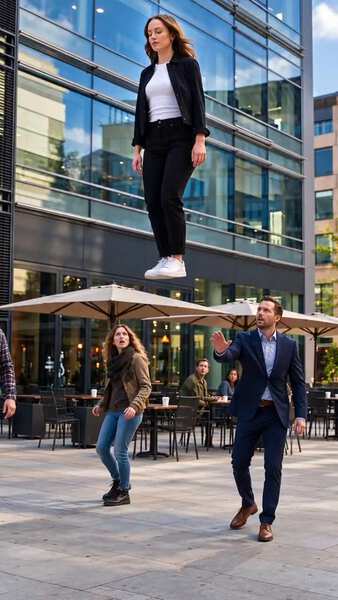
A Photorealistic young woman with long brown hair, wearing a black jacket, white shirt, black pants, and white sneakers, walks straight toward the camera in a modern outdoor busine…
Use @[char ref]as the exact character and style reference. Preserve her white hair, red eyes, oversized black cropped top, long cream skirt with orange lining, bare feet and singl…