Tang Dynasty Garden Cinematic MV
30-second ultra-photorealistic live-action cinematic portrait film, ancient Chinese Tang Dynasty garden aesthetic, intimate historical portrait photography / classical beauty MV. S…
Create the most emotionally powerful and visually overwhelming Titanic cinematic sequence ever made — a 15-second masterpiece that feels like the ending of humanity itself. Hyperrealistic IMAX filmmaking, terrifying Atlantic storm atmosphere, colossal ocean scale, emotional devastation, award-winning Hollywood VFX, absolute stop-scrolling perfection.
0–2 SECONDS: Pitch black screen. Only the sound of freezing wind and distant ocean waves. Then— a tiny warm light appears in darkness. The camera slowly reveals the RMS Titanic emerging from endless black fog like a ghost from another world. Every window glows gold against the freezing blue Atlantic night. The ship feels impossibly gigantic.
2–5 SECONDS: The camera races low across violent ocean waves directly toward Titanic at breathtaking speed. Massive water splashes hit the lens. Passengers stand along the bow under moonlight while their clothes whip violently in the icy wind. A woman closes her eyes peacefully. Everything feels beautiful. Too beautiful.
5–8 SECONDS: Without warning— the soundtrack completely cuts. A colossal iceberg suddenly appears beside the ship, illuminated by a single lightning strike. For one horrifying second, the entire world becomes silent. Then— IMPACT. Metal twists like paper. Ice explodes across the deck in ultra slow motion. The sound design becomes deafening and terrifying.
8–12 SECONDS: Rapid cinematic chaos montage: flooding corridors, people running in panic, steam bursting from engine pipes, a child crying, lifeboats swinging above black freezing water, the orchestra continuing to play while the ship dies around them. Camera movement becomes frantic and unstable like real disaster footage.
12–15 SECONDS: Final god-level cinematic shot. The Titanic stands vertically beneath the storm clouds while thousands of glowing lights reflect across the Atlantic Ocean. The ship slowly begins disappearing beneath the freezing water as people scream in the darkness. The camera ascends higher and higher into the sky until Titanic becomes only a tiny glowing memory swallowed by the endless black ocean. Final frame: complete silence. One distant emergency flare rises into the night sky. Cut to black.
STYLE: Absolute cinematic perfection, James Cameron realism, Christopher Nolan tension, Denis Villeneuve atmosphere, ultra-detailed water physics, emotional orchestral soundtrack, volumetric fog, cinematic lightning, deep shadows, realistic destruction simulation, anamorphic lens flares, haunting beauty, Oscar-winning VFX, 8K IMAX masterpiece, unforgettable emotional ending.
30-second ultra-photorealistic live-action cinematic portrait film, ancient Chinese Tang Dynasty garden aesthetic, intimate historical portrait photography / classical beauty MV. S…
Created a video of a beautiful Korean girl having a playful, dreamy day at a colorful outdoor playground. She wears a casual white shirt, dark jeans, sneakers, and carries a stylis…
Create a 15-second ultra-realistic luxury skincare commercial featuring an elegant glass jar labeled “AQUA LUXE – DEEP HYDRATION” in a cool blue, refreshing environment. Start with…
Create a highly realistic cinematic vertical video (9:16, 4K) based on the reference image. Set the scene inside a grand vintage circus tent filled with a cheering audience. A soph…
ENVIRONMENT: An ancient stormy coastal battlefield; a black gravel-mud slope descends from an inland ridge to a bay encampment; below are wooden boats, masts, ropes, dark tarps, wo…
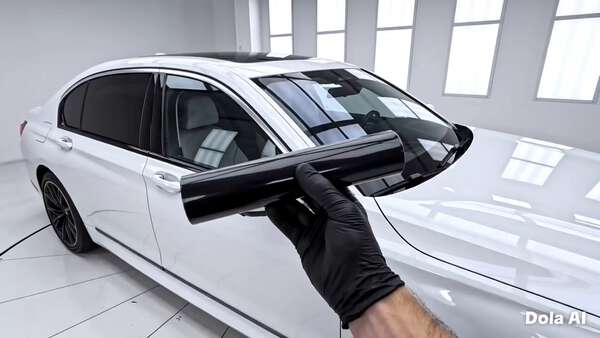
Create a 10-second ultra-photorealistic premium automotive ASMR video, continuous FIRST-PERSON MALE POV in a sterile white luxury detailing studio, same white premium sedan and mat…