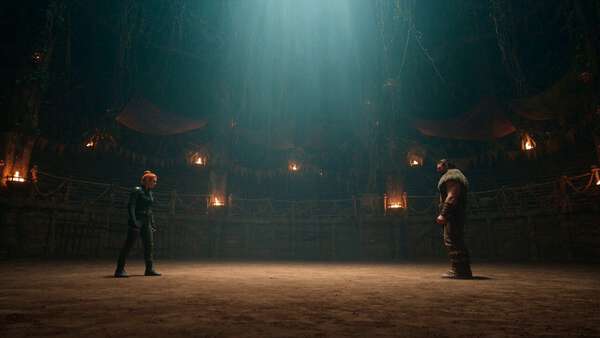
Muscle Warrior Arena Combat
CAMERA: Stay close to action using ground-level tracking, face push-ins, short body arcs, Dutch tilts, fists/boots crossing foreground, camera lowering with rolls and sudden extrem…
create a highly detailed video of a Chinese Wuxia (swordsman) duel based on the one long-range aerial reference image and the 16-square storyboard reference image I provided. Most Important: The beginning of the video must strictly adhere to the long-range aerial photography. Begin with a top-down shot from a great height, slowly moving forward from far to near like a drone, gradually approaching the two swordsmen at the top of the bamboo forest. After focusing on the characters, the subsequent fight should be sequentially completed from steps 1-16 as per the storyboard, with each movement appearing clearly and connecting naturally into a coherent bamboo-top duel. Camera Movement: Throughout the video, the camera should consistently exhibit a realistic 360-degree aerial rotation effect, continuously rotating, closing in, and gradually moving away from the two swordsmen. This allows the audience to feel the depth of space, the sense of danger, and the process of the battle at the top of the bamboo forest. Do not use static camera positions, do not use CCTV angles, and do not simply shoot static shots from the front. Overall Style: A realistic Wuxia duel set atop a tall bamboo forest. The atmosphere should be elegant, sharp, and tense, reminiscent of the bamboo peak battle in "Crouching Tiger, Hidden Dragon." The setting is above a dense sea of bamboo, with both warriors standing at the ends or tops of the bamboo. The visuals should convey a strong sense of height, danger, and space. No ground combat, no stone platforms, and no fantasy/magic effects. Movement Core: Focuses on confrontation, sliding, sideways, jumping, parrying, spinning, somersaulting, chasing, counterattacking, and maintaining distance. Movements should include high-low position changes, shifts in center of gravity, and clear body agility; don't simply stand there swinging your sword. 16-Step Movement Sequence: High-altitude confrontation, standing at the tip of the bamboo, sword drawn. The male protagonist presses forward to initiate the attack. The female protagonist shifts sideways to evade. The first block, blades clash. The male protagonist slides closer. The female protagonist leaps away using the bamboo's flexibility. A mid-air clash. The male protagonist executes a spinning slash. The female protagonist counterattacks from the air. The male protagonist executes a low block. Both stabilize their balance on top of the bamboo. The female protagonist somersaults and turns around. The male protagonist gives chase. A powerful clash of blades. Both sides retreat to maintain distance. Final confrontation pose (still position). Camera Design: The beginning should be based entirely on aerial photography, from an extreme height, then gradually move closer to the characters. Upon landing on the character, the camera begins a continuous 360-degree rotation in mid-air. The camera is allowed to move smoothly back and forth, up and down slightly, and shift sideways to a limited extent, while maintaining the sense of rotation. The entire body should be shown most of the time; the movement of the feet stepping on the bamboo should not be cut off. The camera rhythm should be smooth, moving in sync with the character's movements. Character Setup: Maintain consistency. The male protagonist wears a black warrior's outfit with a single long sword; the female protagonist wears a light-colored warrior's outfit with a single thin sword. No double swords, no character changes, no clothing changes. The edges of the clothing, hair, and bamboo leaves should have a realistic wind-blown effect. Lighting: Prioritize natural sky light, clear, soft, and realistic. The overall feel should be cinematic, realistic, with continuous movement and a clear rhythm. Negative Prompts: No ground fighting, no stone stages, no magic/fantasy effects, no cartoonish feel, no static camera, no random cuts
CAMERA: Stay close to action using ground-level tracking, face push-ins, short body arcs, Dutch tilts, fists/boots crossing foreground, camera lowering with rolls and sudden extrem…
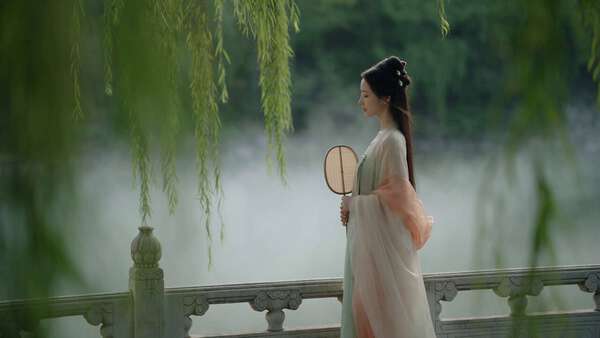
30-second ultra-photorealistic live-action cinematic portrait film, ancient Chinese Tang Dynasty garden aesthetic, intimate historical portrait photography / classical beauty MV. S…
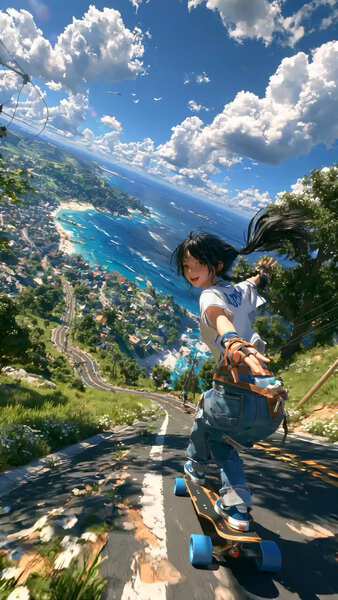
A cinematic high-speed downhill longboarding scene on a winding coastal mountain road overlooking a breathtaking turquoise ocean and a vibrant seaside city. Three young longboarder…
Ultra-realistic fantasy action blockbuster, 30-second cinematic sequence. Shot on ARRI Alexa 35 with anamorphic lenses, dynamic tracking, elegant orbits, aggressive push-ins, drama…
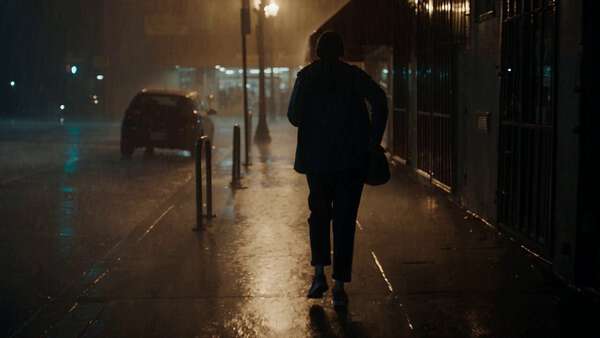
Create a 30-second cinematic, ultra-realistic live-action video set on a rainy city street at night, with wet roads reflecting streetlights and passing car headlights. Show a perso…
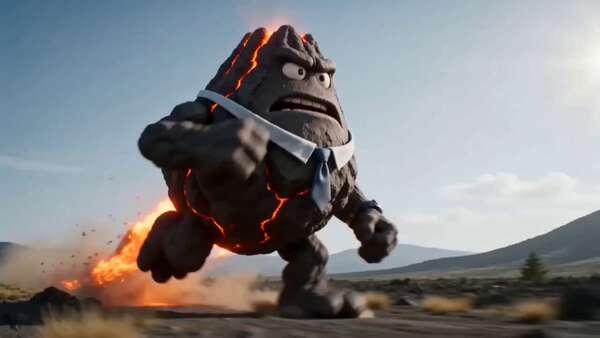
A giant volcano wearing a tiny necktie sprints across landscapes at impossible speed. Lava trails behind like sweat. It checks a wristwatch repeatedly. Entire countries watch in co…