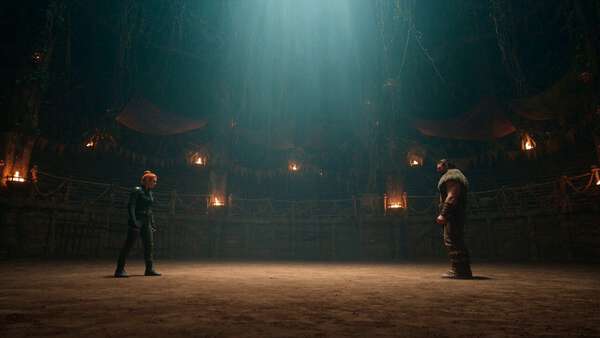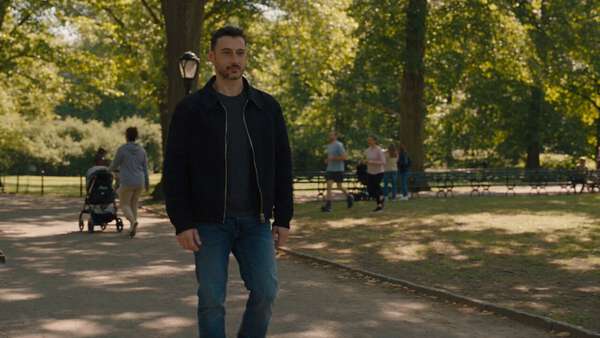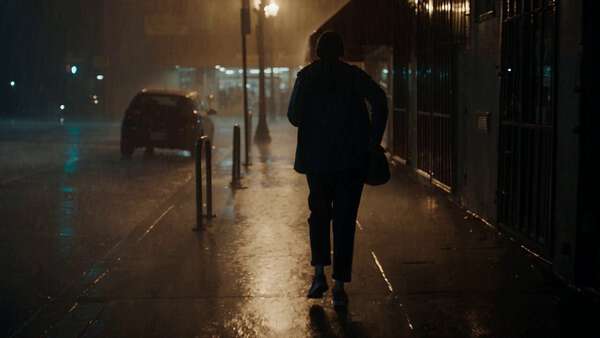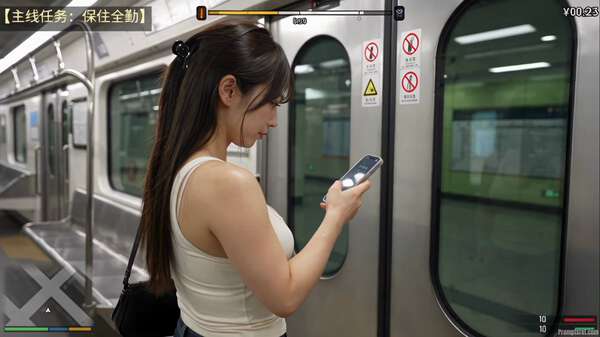
15-second, no-dialogue, fully immersive high-speed brutal fight short film.
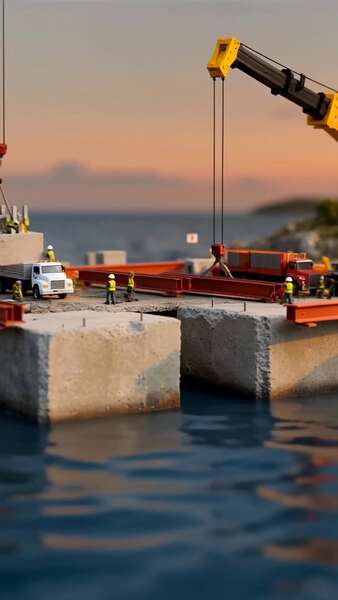
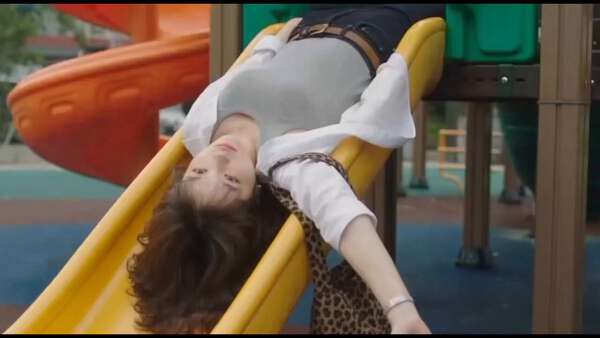
Two characters @ image1 and @ image2 .
Live-action realistic style. Close-quarters, high-speed chaotic melee combat with no rules, fully out-of-control brawling. No flashy choreography—pure raw. Continuous exchange of punches, kicks, blocks, body checks, throws, and grappling entanglements. Ultra-realistic impact. Exaggerated yet physically grounded motion speed. Entire sequence in 120 FPS with no slow motion. Rapid dashes, evasions, and high-speed limb swings. Extreme motion blur and speed trails amplify intensity while preserving realistic weight and physics.
Master-level cinematic camera movement:
A professional film camera stays tightly locked to the action, flying dynamically with the fighters—high-speed dives, sudden stops, whip pans, and full 360° orbital tracking. The camera moves in sync with punches, kicks, and evasions, with responsive shake and displacement. One continuous take, no cuts. Sharp push-pull tracking, sudden directional shifts, fully integrated into the fight for a face-to-face immersive combat perspective. Smooth, zero-latency motion.
Master-level precision editing:
0–3 seconds: ultra-fast cuts to enter combat.
3–10 seconds: seamless action continuity with zero stutter or breaks.
10–15 seconds: dense, violent rapid-cut climax.
Editing rhythm escalates with combat intensity. Fast intercutting enhances chaos. Precise beat timing, no redundant shots. Constant suffocating high-speed pacing.
Environment Setting
Modern open-plan office with desks, computers, cabinets, printers, and swivel chairs; realistic layout with cool overhead lighting and side backlight for strong contrast. Slightly cramped space for added tension; no glass-breaking.
Environmental Interaction & Constraints:
Combat affects the space only through natural, physically justified collisions—papers scatter from air movement (not attacks), chairs slide or topple on impact, desks shift slightly without deliberate damage, and screens remain intact with minor vibration. No unnecessary or intentional destruction of equipment.
Body-driven combat: grappling, pinning, counter-throws, and realistic slams with subtle impact cracks/vibrations. Natural airflow—light paper/dust movement only, no exaggeration.
Final Action Design
Final 2–3s: both throw simultaneous close-range punches, freezing inches before impact—fully tensed, heavy breathing, locked in perfect deadlock.
15-second, no-dialogue, fully immersive high-speed brutal fight short film.
Two characters @ image1 and @ image2 .
Live-action realistic style. Close-quarters, high-speed chaotic melee combat with no rules, fully out-of-control brawling. No flashy choreography—pure raw. Continuous exchange of punches, kicks, blocks, body checks, throws, and grappling entanglements. Ultra-realistic impact. Exaggerated yet physically grounded motion speed. Entire sequence in 120 FPS with no slow motion. Rapid dashes, evasions, and high-speed limb swings. Extreme motion blur and speed trails amplify intensity while preserving realistic weight and physics.
Master-level cinematic camera movement:
A professional film camera stays tightly locked to the action, flying dynamically with the fighters—high-speed dives, sudden stops, whip pans, and full 360° orbital tracking. The camera moves in sync with punches, kicks, and evasions, with responsive shake and displacement. One continuous take, no cuts. Sharp push-pull tracking, sudden directional shifts, fully integrated into the fight for a face-to-face immersive combat perspective. Smooth, zero-latency motion.
Master-level precision editing:
0–3 seconds: ultra-fast cuts to enter combat.
3–10 seconds: seamless action continuity with zero stutter or breaks.
10–15 seconds: dense, violent rapid-cut climax.
Editing rhythm escalates with combat intensity. Fast intercutting enhances chaos. Precise beat timing, no redundant shots. Constant suffocating high-speed pacing.
Environment Setting
Modern open-plan office with desks, computers, cabinets, printers, and swivel chairs; realistic layout with cool overhead lighting and side backlight for strong contrast. Slightly cramped space for added tension; no glass-breaking.
Environmental Interaction & Constraints:
Combat affects the space only through natural, physically justified collisions—papers scatter from air movement (not attacks), chairs slide or topple on impact, desks shift slightly without deliberate damage, and screens remain intact with minor vibration. No unnecessary or intentional destruction of equipment.
Body-driven combat: grappling, pinning, counter-throws, and realistic slams with subtle impact cracks/vibrations. Natural airflow—light paper/dust movement only, no exaggeration.
Final Action Design
Final 2–3s: both throw simultaneous close-range punches, freezing inches before impact—fully tensed, heavy breathing, locked in perfect deadlock.
Act as a professional fight choreographer of the anime industry with extensive knowledge of Wing Chun and Chinese wushu fighting style.
Create a fast paced and dynamic fight scene between Jinx @图片4 and Knibbz@图片5 . Jinx should have dirt and scratches slightly smeered on his face like in @图片6 in this fight. Their feet shift back and forth with Jinx slowly losing ground and Knibbz pushing forward. This is a one sided fight where despite everything Jinx tries, he is not able to get a clean hit on Knibbz. Jinx tries an array of Wing Chung style attacks, (quick punches, rapid spinning kick at extreme speed, combo punches into a butterfly kick as examples.) but it is all blocked or dodged in the last moment by Knibbz.
Camera movements include rapid 360 orbit, Jet cuts to ECU of key moments in strikes and dodges, hard cuts to facial expressions.
Impack shockwave effects, wind burst effects, gust effect from Knibbz's heavier attacks only.
Hopeless fight vibe. Jinx is outmatched by Knibbz. Must not add additional dialogue. Must not add additional characters. Use the audio reference for what Knibbz sound like only. All of Jinx attacks must be directed toward Knibbz.
These are the opening and closing frames of a tavern martial arts fight scene. Based on these two scenes, please generate a smooth sequence of a woman in white fighting several assassins. Use storyboarding techniques and switch between different perspectives to give the entire footage a more rhythmic and cinematic feel.
cinematic martial arts confrontation in broad daylight, a blind shaolin monk wearing a dark, stylized combat outfit inspired by legendary fighters stands calm and centered, eyes closed, surrounded by multiple hostile creatures emerging from a traditional Japanese landscape
Ultra cinematic choreography coverage, mix of slow dolly-ins + orbit moves + whip pans, transitions masked by body motion and impacts, alternating real-time and slow motion, continuous fluid sequence
(0-2s) wide establishing shot, monk standing still in center, wind moving fabric, creatures circling, tension builds
(2-4s) slow push-in close-up on monk’s face, eyes closed, subtle head tilt sensing movement
(4-6s) sudden attack from first creature, monk reacts instantly, precise sidestep + redirection, fluid motion
(6-8s) chained combat sequence, monk engages multiple opponents, spinning strikes, controlled movements, each impact sending creatures flying backward with stylized motion
(8-10s) slow motion highlight: mid-air dodge + counter sequence, cloth movement and body rotation emphasized, creatures suspended briefly before being thrown away
(10-12s) final burst of speed, monk flows through remaining opponents in one continuous movement, camera orbiting rapidly, enemies collapsing or being thrown aside
Traditional Japanese environment, open landscape with temples, wooden structures, distant mountains, clear daylight, subtle wind movement, dust and debris reacting to motion
Ultra realistic, high-end martial arts film choreography, precise body mechanics, cinematic slow motion, strong contrast lighting, volumetric atmosphere, fluid transitions, intense but controlled physical interaction, no distortion, no stretching
SUBJECTS / PEOPLEMale protagonist, in his 30s, cold and tough, short hair, sharp facial features, wearing a well-fitted black suit, black shirt, and black tie. The outfit remains consistent throughout the entire video. His movements are steady, precise, and highly professional. He has extremely strong body control, with short and steady steps. In close combat, his movements are like a highly trained tactical fighter: turning, gun-suppression, elbow strikes, deflecting force, and repositioning—all executed smoothly in one breath. The enemies are a group of adult male thugs, wearing a mix of dark street clothes or suits, with clear primary and secondary roles. They are responsible for rushing out from all sides and approaching in turns, without stealing the visual focus from the protagonist. The male lead is always the center of the frame, and all actions revolve around him. His performance exudes a calm, ruthless aura with no wasted movements.
OBJECTSA black tactical pistol. It is always the same gun—no morphing, no disappearing, and no second gun ever appears. Enemies can approach with melee weapons or bare-handed, but there should be no exaggerated weapon stacking and no heavy firearms. Knocked-down enemies can gradually appear on the ground, but the change in numbers must be logical; all fallen individuals come from the same group that rushed out earlier. The male lead's gun is always clearly visible. During close combat, the gun remains in his hand or pressed near his body line; it should never suddenly disappear. No extra weapons, no duplicate hero, no duplicated enemies, same pistol throughout the full shot sequence.
ENVIRONMENTAn indoor hall at night or an underground club corridor. The space is wide but oppressive, with a black and gold color palette. The floor is slightly reflective. The background features pillars, dark walls, localized warm lights, and cold rim lighting. The foreground of the scene leaves room for the protagonist's actions, the midground shows constantly approaching enemies, and the background reveals more silhouettes rushing out from the shadows. Lighting shines down from above and from the side/rear, creating strong contrasting silhouettes, ensuring the male lead's suit, pistol, and body turns are clearly visible. Environmental elements remain consistent throughout the video. Do not cut to unrelated spaces, and do not suddenly change to a street or rooftop.
MOODHigh-pressure, cold-blooded, explosive. It is not an out-of-control brawl, but a precise, slaughterhouse-style suppression. The pacing gets increasingly fierce, but remains legible at all times. Emotionally, it must deliver the oppressive thrill of "facing a multi-person siege alone, yet completely controlling the situation."
CAMERA LANGUAGEThird-person cinematic camera, mainly using medium-close shots and tight wide shots, interspersed with a few close-ups to emphasize the moment of takedowns. The camera overall uses a stabilizer follow-shot + a slight handheld impact feel. Cut as little as possible, prioritizing continuous panning, pushing forward, and orbital tracking shots to reinforce the illusion of a one-take. The camera always revolves around the male lead. It never loses track of the main gun, never loses the protagonist's body orientation, and never lets enemies completely block the frame. Every takedown action must be clearly seen: who rushes up, how the male lead makes contact, how he switches fire, how the enemy falls, and where the camera finally rests.
CONSISTENCY RULESThe male lead's clothing, hairstyle, and body shape remain unchanged throughout. There is always only the same male lead; no stunt double faces, no duplicate protagonists. There is always only the same black pistol. The enemies come from the same group that rushed out; the decreasing number is logical, and they do not suddenly respawn. Every takedown must clearly show the contact, counterattack, and the resulting fall. No chaotic blind firing, no floating movements, no supernatural abilities. The male lead consistently maintains a professional, calm, and precise rhythm. The ending must be a final display shot of the male lead standing steadily, surrounded by fallen enemies, with his gun muzzle pointing down or resting at his side.
TIMELINE0:00–0:02A tight medium shot starts from behind the male lead's side, and the camera slowly pushes forward. The male lead stands in the center of the hall, slightly turned, shoulder line tense, holding the same black pistol, his gaze locked on the shadows ahead. In the background, several enemies suddenly rush out from both sides and directly in front, their footsteps syncing with heavy drumbeats. The camera stops at a position where both the male lead's half-profile and the incoming crowd ahead are clearly visible simultaneously; the crisis has formed.
0:02–0:05The camera quickly pushes in to a medium-close shot. The first enemy lunges forward into close-combat distance. The male lead side-steps to dodge the trajectory, raises his hand to press down on the enemy's shoulder/neck, uses the pistol to maintain close-line control, and executes a clean, sharp close-range counterattack. The first person immediately loses balance and smashes into the ground. At almost the same rhythm, the male lead uses the momentum to turn around. A second enemy rushes in from the side; he uses an elbow strike and the gun body to create space, then follows up with an extremely short finishing move, flipping the second person right at his feet. The camera follows the male lead's turn with a slight pan, finally resting on a state where two enemies are already down, and a third is about to enter the frame.
0:05–0:08The camera slightly orbits to the male lead's front, maintaining a medium shot so his full body actions are legible. The third and fourth enemies approach one after the other. The male lead first steps forward, uses a close-quarters block to interrupt the former's action, then immediately switches fire to handle the latter. The movements are like a compressed spring instantly releasing—clean, fast, with no extra swaying. The former staggers back after being interrupted, while the latter is directly taken down. The male lead immediately turns back to deliver the final suppression on the former, completing a continuous double kill. The camera stabilizes as the male lead returns to a neutral posture, clearly showing multiple people already fallen around him.
0:08–0:11The camera slightly pulls back to a wider medium shot, showing the spatial relationship. The remaining several enemies close in simultaneously from both the left and right flanks. The male lead does not retreat; instead, he cuts into the most concentrated side, using extremely short footwork to continuously shift positions, pulling the enemies one by one into his close-combat rhythm. He first controls the closest person to use as a brief shield, then quickly spins out from the edge of that shield to take down two people in succession. The last one tries to lunge at him from behind but is precisely intercepted by the male lead turning around and slammed into the ground. The camera makes a clean arc movement as he cuts in and turns back, ending at the moment the male lead stands back in the center, with the last still-moving enemy staggering backward.
0:11–0:13A quick push-in to a close shot, focusing on the final confrontation. The last enemy roars and charges head-on. The male lead's eyes are calm, his body sinks slightly, and he waits for the opponent to enter range before instantly striking, taking him down with the sharpest set of close-quarters gun-fu. This action must be fully visible: contact, control, counterattack, and falling down, all in one smooth motion. The camera shakes slightly when the enemy hits the ground heavily, then quickly stabilizes, clearly showing the male lead still standing.
0:13–0:15The camera slowly pulls back to a heroic medium-wide shot. The male lead stands in the center of the fallen crowd, breathing steadily, his suit still immaculate, holding the same black pistol, the muzzle naturally pointing down or resting at his side. All surrounding enemies have fallen and cannot get up. The background lights and dust float slightly as the drumbeat hits its final note. The final shot freezes on the moment the male lead coldly raises his eyes to look at the camera, forming a strong, clean, and memorable final frame.