GPT Image 2 Vintage Circus Cannon Fantasy
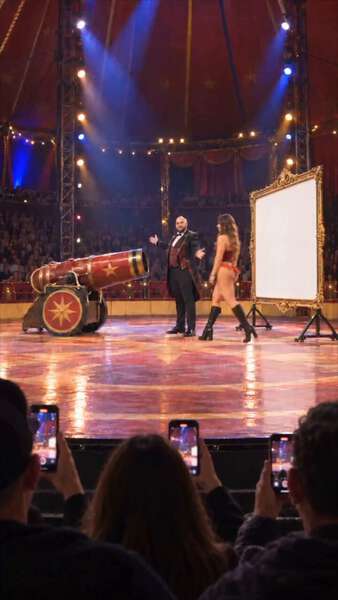
Create a highly realistic cinematic vertical video (9:16, 4K) based on the reference image. Set the scene inside a grand vintage circus tent filled with a cheering audience. A soph…
35mm Kodak 5219 → transitions through different film stocks as decades change: warm Ektachrome for the 60s, oversaturated for the 70s, pushing to cold 80s blue, then digital clarity for the 2000s. Grain: a living document of film history. Key light: the era's defining light — dance hall warmth, disco strobes, neon cold, phone screen glow. THE TRANSITION CHAIN — SHARED MOVEMENT: Every transition triggered by a dance move completing — the end of one move's arc becoming the beginning of the next world. 00:00–00:02 · 1960s — THE TWIST A 1960s dance hall — warm Ektachrome color, specific grain. One dancer: a young woman in a circle skirt, doing The Twist. The camera following her — orbiting slowly. The twist motion: her hips rotating, the skirt spinning. The skirt's spin: becoming faster — the centrifugal motion of the skirt hem becoming the spin of a disco ball. The dance hall's warm amber: hit by the first mirror-ball fragment of light. 00:02–00:04 · 1970s — SATURDAY NIGHT The skirt hem completing its spin: a disco ball hanging from a Studio 54 ceiling. The dancer: now in a white pantsuit, John Travolta stance — one arm pointing up. The mirror ball's light: fractured, multicolored, the specific 70s palette of orange and brown and gold. The Hustle: her arm completing its upward point arc — the arc of the arm becoming the arc of a breakdancer's back freeze. 00:04–00:06 · 1980s — THE BRONX The arm arc: a breakdancer's windmill on cardboard on a Bronx sidewalk. Cold blue 80s light. The dancer: a B-boy in Adidas, windmilling — his rotating body the center of a cipher. The windmill's circular motion: the circle of people watching becoming the circle of a mosh pit. The Bronx sidewalk: concrete becoming — the same grey, different energy — a UK warehouse floor. 00:06–00:08 · 1990s — RAVE / BRITPOP The mosh pit circle: a rave crowd, 1994 UK, the strobe light turning movement into stop-motion. The dancer: now in a bucket hat and oversized shirt, two-stepping in the rave crowd. The strobe: each flash freezing a different position — becoming the frames of a music video. The rave crowd's raised hands: becoming— 00:08–00:10 · 2000s — HIP-HOP VIDEO The raised hands: a hip-hop video set — the specific aesthetic of early 2000s music videos, too-bright colors, clean sneakers on immaculate floors. The dancer: now in a tracksuit, doing the Dougie, the camera orbiting. The tracksuit's fabric catching the video set lights: becoming reflective — the reflection becoming the surface of a phone screen. 00:10–00:12 · 2010s — VIRAL VIDEO The phone screen: a TikTok vertical video. The dancer: now lit by phone-selfie light, in a bedroom, doing a choreography routine — the specific vocabulary of 2010s viral dance. The bedroom's white walls: as the routine's arm sweep completes — becoming the white expanse of a concert stage. 00:12–00:13.5 · NOW — THE CONCERT The concert stage: massive, 100,000 people, the dancer now center stage. But: the same dancer. The same person who was in the 1960s dance hall. Not aged. The same. Every era: the same person. The crowd: every era's crowd, simultaneously — circle skirts and bucket hats and tracksuits and phones. All there. The dancer: performing one move that contains all the previous moves simultaneously — the body memory of 60 years of dancing in one gesture. 00:13.5–00:14.5 · THE TWIST Speed 2%. The concert stage lights: dropping to one spotlight. The dancer looking out at the crowd. The crowd: the 1960s dance hall. Full circle. The same room. The dancer: realizing. Sixty years was one night. 00:14.5–00:15 · END CARD Hard cut to black. A vinyl record. "Every floor was a dancefloor. Every night was the same night." The grain: all film stocks simultaneously — warm Ektachrome bleeding into cold 80s blue bleeding into digital clarity. A single note: every era's defining musical moment, stacked. One second. Fade.
Create a highly realistic cinematic vertical video (9:16, 4K) based on the reference image. Set the scene inside a grand vintage circus tent filled with a cheering audience. A soph…
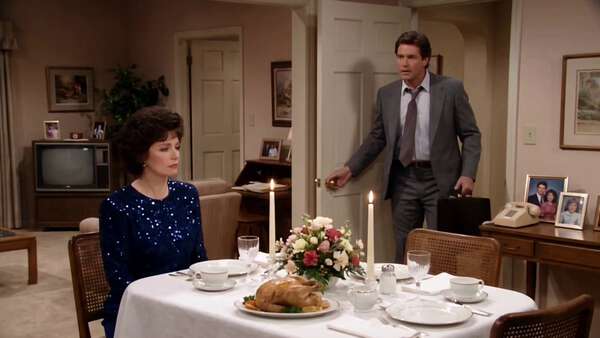
Authentic American prime-time relationship drama from 1984, intimate domestic scene, mature emotional performances, practical studio set, period-correct wardrobe, hairstyles, furni…
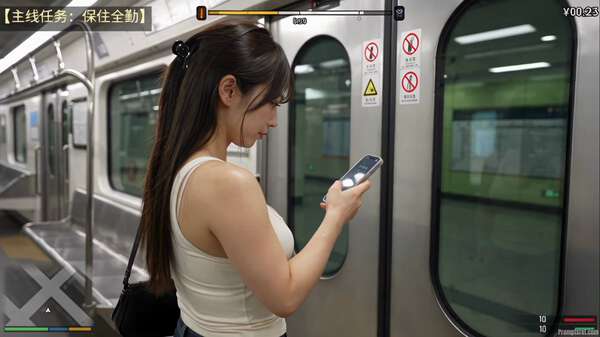
[STYLE / CINEMATIC SETUP] 30 seconds, 16:9 landscape, high definition and fine detail. A photorealistic AAA third-person urban action game. Bright weekday morning, realistic city s…
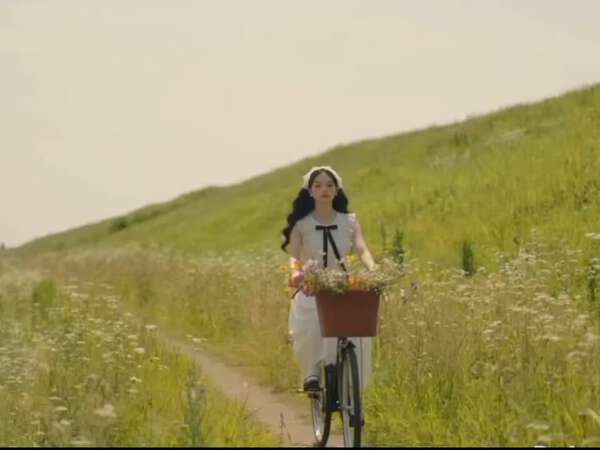
A beautiful Korean girl in a dreamy vintage countryside setting. She wears a delicate white dress with black ribbon details and a lace headband. She rides a classic bicycle through…
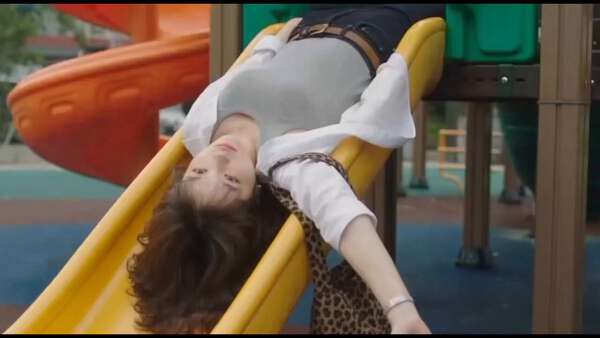
Created a video of a beautiful Korean girl having a playful, dreamy day at a colorful outdoor playground. She wears a casual white shirt, dark jeans, sneakers, and carries a stylis…
Create a 15-second ultra-realistic luxury skincare commercial featuring an elegant glass jar labeled “AQUA LUXE – DEEP HYDRATION” in a cool blue, refreshing environment. Start with…