Ai Cooked Here With Realism
Create a 30-second ultra-realistic comedic live-action video, 16:9 horizontal, native 4K, 24fps. IMPORTANT ORIGINALITY: This is a completely fictional comedy concept. Do not refere…
An open-source collection of awesome video prompts. · Collected 6,491 prompts
A crowded city intersection during peak hours. The sky is slightly orange, hinting at sunset. Cars are lined up at a red traffic signal, engines humming, distant horns blending into the urban noise. Street vendors move between cars, and the atmosphere feels busy yet emotionally distant.
Inside a sleek luxury car, a well-dressed wealthy man sits in the driver's seat. His face shows stress and exhaustion. He keeps checking his phone, clearly overwhelmed by work or life problems.
A poor little boy, around 8–10 years old, wearing worn-out clothes but carrying an innocent smile, approaches the car. He holds a small dirty cloth and a bottle of water. Without saying much, he starts cleaning the windshield.
The man looks annoyed. He rolls his eyes and gestures angrily for the boy to stop and go away. The boy pauses… looks at him for a moment… then softly smiles and steps back without saying a word.
The signal turns green. Cars begin to move. The man drives forward slowly. As he adjusts his mirror, his eyes catch something — in the rearview mirror, he sees the same boy at the next car, playfully making funny faces and cleaning the windshield. The driver of that car laughs.
The boy's laughter is genuine. Pure. Unaffected.
The man's expression begins to change. His anger fades into silence… then into realization. He slows down. His grip on the steering wheel loosens. A sense of guilt and understanding fills his eyes.
He gently presses the brake… pauses for a second… then suddenly takes a decision. He stops the car by the roadside, quickly steps out, and walks back toward the boy.
The boy is surprised. The man kneels slightly, looks at him with soft eyes, and instead of money… he hugs him.
The boy smiles again — this time, even brighter.
City noise fades into soft emotional background music.
Final scene Camera slowly pulls back, showing the busy city continuing as usual… but one small human moment shining in between.
Text on screen: "Sometimes, people don't need money… they need kindness"
Create a 30-second ultra-realistic comedic live-action video, 16:9 horizontal, native 4K, 24fps. IMPORTANT ORIGINALITY: This is a completely fictional comedy concept. Do not refere…
Cinematic, photorealistic, 4k resolution, superhero action scene, glowing red eyes VFX, pink glowing energy trails, super-speed motion blur, slow-motion impact shots, highly detail…
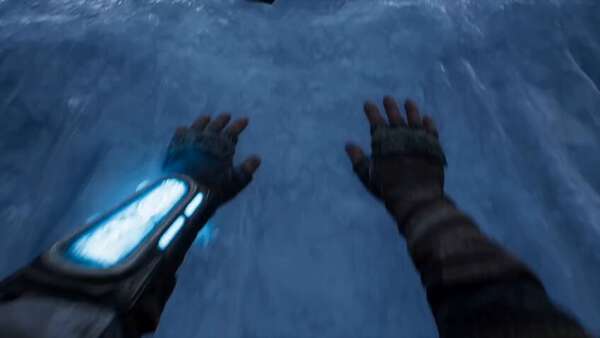
A30-second, 16:9 photorealistic Unreal Engine 5 third-person fantasy action-adventure gameplay sequence. Make it feel like real playable AAA gameplay with seamless movement, realis…
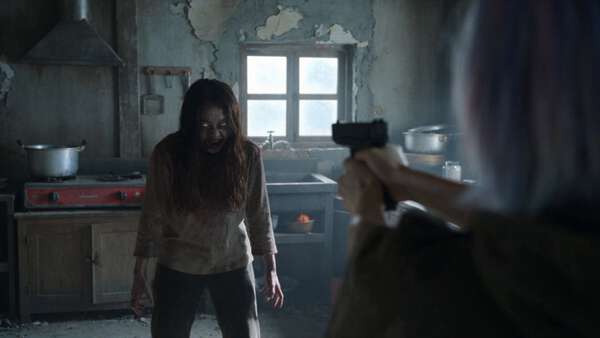
# HIGGSFIELD — PYONA × INFECTED FEMALE LOVER / 27秒 FINAL / OPEN MEADOW MATCH-CUT VERSION Use exactly 2 uploaded image assets. image1 = PYONA唯一且最高优先级人物身份、脸部、发型、体型与服装参考。 image2 = 女性恋…
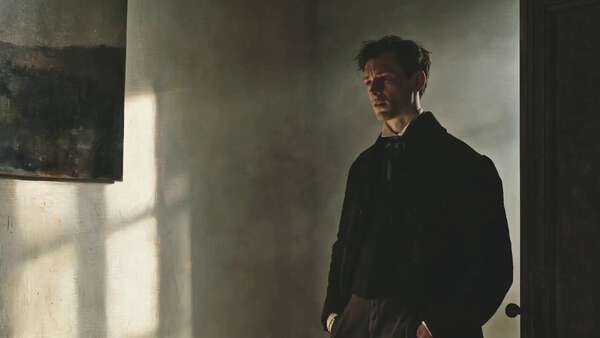
Create a 30-second ultra-photorealistic live-action cinematic drama featuring a young man and woman sharing an emotionally intense final conversation inside a dim, old-fashioned ro…
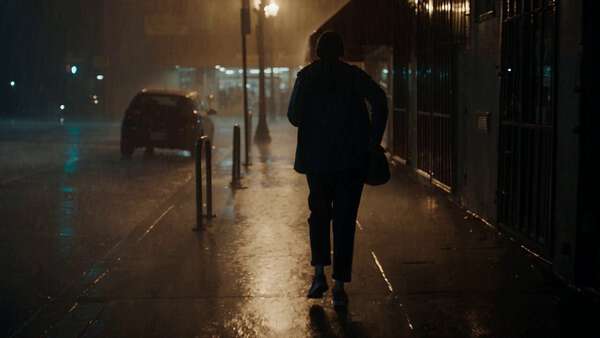
Create a 30-second cinematic, ultra-realistic live-action video set on a rainy city street at night, with wet roads reflecting streetlights and passing car headlights. Show a perso…