Pink Energy Hero Saves Hostage
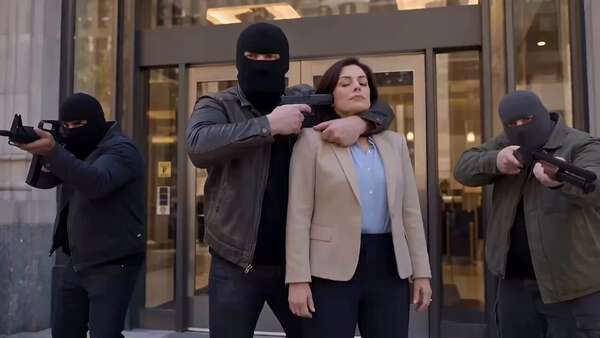
Cinematic, photorealistic, 4k resolution, superhero action scene, glowing red eyes VFX, pink glowing energy trails, super-speed motion blur, slow-motion impact shots, highly detail…
An open-source collection of awesome video prompts. · Collected 6,491 prompts
plays out as a tight, high-energy 15-second sequence built around a 145 BPM rhythm and 15 precisely beat-synced shots. It opens in a dim, quiet room where a male officer lies on his bed, face softly lit by the glow of his phone. The mood is calm, almost detached—until an urgent dispatch notification flashes. In that instant, everything changes: his eyes sharpen, his expression locks in, and the tempo of the visuals begins to accelerate. A subtle heartbeat rises under the soundscape as he moves from stillness into purpose.
The transformation unfolds through stylized quick cuts and speed ramps. He rises in slow motion, then snaps into action—grabbing his uniform piece by piece. The badge swings before clicking into place with a metallic precision, the belt tightens, boots hit the ground with a heavy, bass-synced stomp that ripples with impact. Every motion is exaggerated just enough to feel cinematic, building tension toward the drop.
At the beat drop, a glitch transition throws us into raw bodycam POV. The tone shifts instantly—now chaotic, urgent, and immersive. The camera shakes as he runs down a hallway, breath audible, footsteps pounding. He bursts through a door into a wash of outdoor noise, jumps into a patrol SUV, and ignites the engine as sirens and radio chatter overlap in a controlled frenzy. The driving sequence is aggressive and kinetic, with quick, disorienting cuts that match the intensity of the moment.
As he arrives on scene, the pace remains sharp but purposeful—he exits swiftly, stepping into control, managing the situation with authority. Then, the chaos dissolves. The visuals transition back into cinematic slow motion: a low-angle hero shot captures him stepping out, composed, breathing steady, gaze unwavering. The soundscape strips down to a single deep bass note, leaving a final impression of silent strength and authority as the sequence ends.
Cinematic, photorealistic, 4k resolution, superhero action scene, glowing red eyes VFX, pink glowing energy trails, super-speed motion blur, slow-motion impact shots, highly detail…
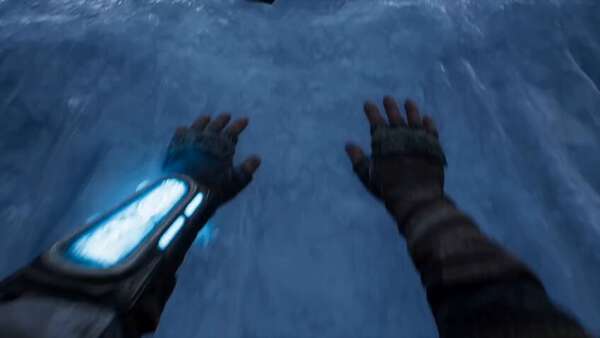
A30-second, 16:9 photorealistic Unreal Engine 5 third-person fantasy action-adventure gameplay sequence. Make it feel like real playable AAA gameplay with seamless movement, realis…
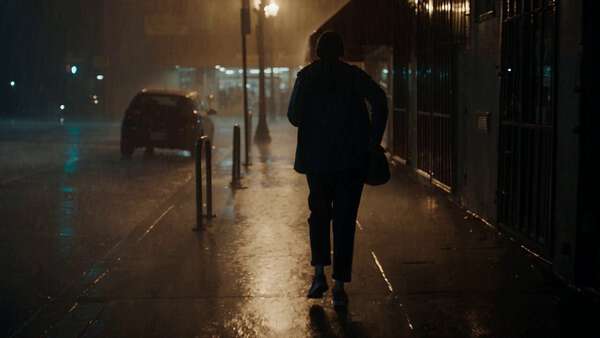
Create a 30-second cinematic, ultra-realistic live-action video set on a rainy city street at night, with wet roads reflecting streetlights and passing car headlights. Show a perso…
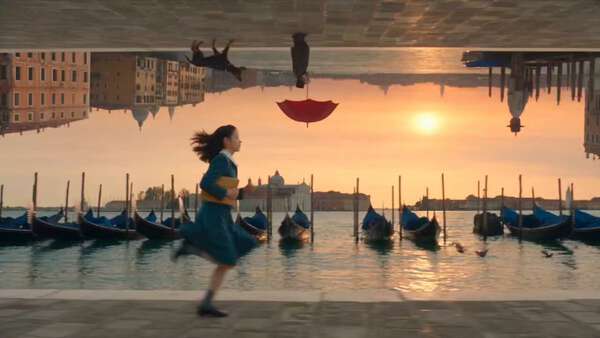
A cinematic dynamic action video prompt visual surrealism a young East Asian woman in a classic vintage teal dress holding a yellow envelope running fast through a dreamlike surrea…
Create a 30-second ultra-realistic comedic live-action video, 16:9 horizontal, native 4K, 24fps. IMPORTANT ORIGINALITY: This is a completely fictional comedy concept. Do not refere…
Photorealistic cinematic video, one continuous shot. Image 1 = main woman. Keep her exact face, hair, body and outfit. Image 2 = intact cinema scene and black-armored warrior. Star…