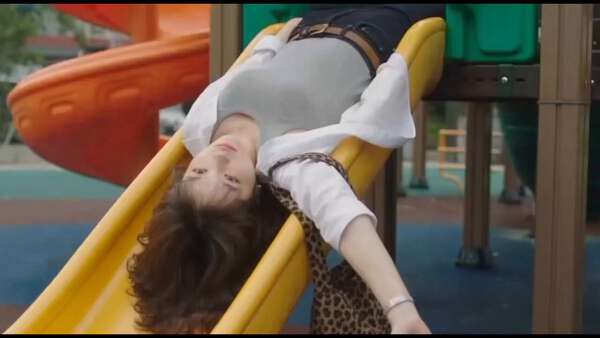
Korean Girl's Playful Playground Day
Created a video of a beautiful Korean girl having a playful, dreamy day at a colorful outdoor playground. She wears a casual white shirt, dark jeans, sneakers, and carries a stylis…
An open-source collection of awesome video prompts. · Collected 6,491 prompts
POV continuous one-take cinematic sequence with strict camera-source lock.
The video begins with a grounded close-up shot identical to the reference: a woman crouching on natural soil, holding a calm owl. With her other hand, she securely mounts a small action camera onto the owl's back using a compact harness. The camera attachment is clearly visible.
Natural daylight, shallow depth of field, detailed textures.
The woman immediately throws the owl upward into the air.
At the exact moment the owl leaves her hands, the camera perspective switches permanently to the action camera mounted on the owl's back. From this point onward, the entire video is strictly from this camera. No cuts, no external shots, no third-person angles.
We constantly see parts of the owl's body in frame: the back of its head and both wings moving dynamically during flight. The wings occasionally pass across the frame edges, reinforcing the POV.
The owl flaps strongly to stabilize, then transitions into smooth forward flight.
The owl flies alone through a dense forest. No other birds or animals are visible during flight. The motion is fluid with slight natural camera shake consistent with a lightweight action camera. Branches pass close to the lens, strong sense of speed and depth. Light flickers through leaves.
The owl detects movement and lands on a thin branch. A subtle impact shake occurs. The wings partially fold and remain partially visible at the edges of the frame.
A small caterpillar crawls along the branch. The owl tilts its head (visible in frame), then quickly strikes its beak enters the frame and captures the caterpillar.
The owl immediately takes off again. Wings expand fully across the frame during the push-off, briefly dominating the view.
The owl flies toward a large tree and enters a hollow. Lighting smoothly transitions from bright exterior to dim interior.
Inside the nest, a female owl is present (this is the ONLY moment another owl appears).
As the camera-owl arrives, the female owl stands up and shifts aside.
The camera tilts downward: a partially cracked egg is visible. Inside, a newly hatched owl chick appears pink, featherless, partially emerged, subtle movement.
The owl settles into the nest. The frame stabilizes briefly, still from the back-mounted camera, with the owl's head and wings subtly visible at the edges.
Hyper-realistic, wildlife documentary style, strict single POV, no cuts, no camera switching, continuous motion, immersive action camera realism.
Created a video of a beautiful Korean girl having a playful, dreamy day at a colorful outdoor playground. She wears a casual white shirt, dark jeans, sneakers, and carries a stylis…
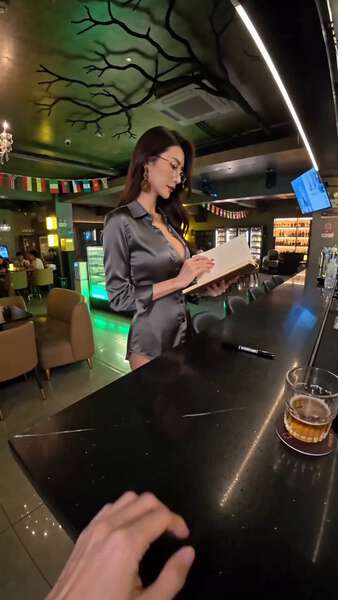
# 老板娘把账单写在你手背上|15秒|一镜到底 【整体设定】 第一人称酒吧结账。全程使用预设角色#1的脸、发型、身材;角色#1为成年人。全程只穿预设服装#3,含原有鞋履和饰品。禁止换成参考视频原演员的脸、发型或衣服。 全片只有角色#1完整出镜。摄影者始终不出镜,只允许一只成年人的左手和部分小臂从画面下方伸入。 故事因果: 你坐在吧台前叫老板娘买单 → 她合上…
Create a 15-second ultra-realistic luxury skincare commercial featuring an elegant glass jar labeled “AQUA LUXE – DEEP HYDRATION” in a cool blue, refreshing environment. Start with…
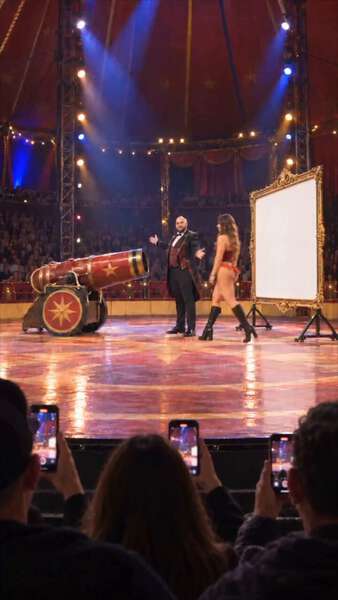
Create a highly realistic cinematic vertical video (9:16, 4K) based on the reference image. Set the scene inside a grand vintage circus tent filled with a cheering audience. A soph…
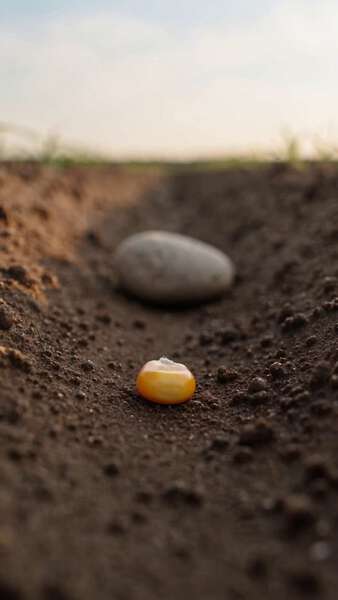
Create a photorealistic cinematic macro video of a young corn/maize plant growing in a freshly cultivated agricultural field. Start with a tiny corn seedling emerging from rich bro…
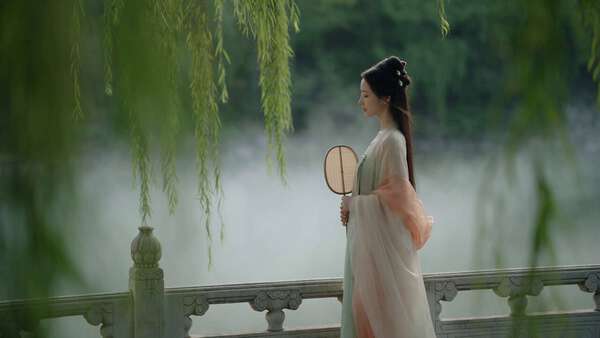
30-second ultra-photorealistic live-action cinematic portrait film, ancient Chinese Tang Dynasty garden aesthetic, intimate historical portrait photography / classical beauty MV. S…