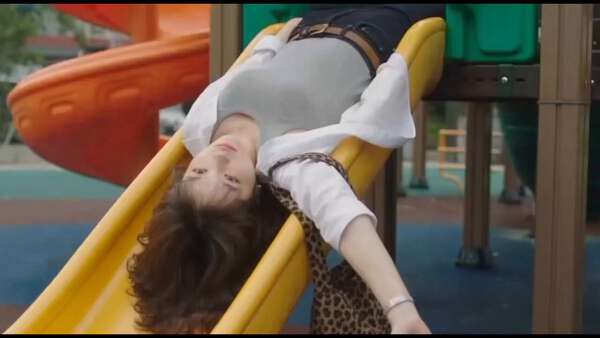
Korean Girl's Playful Playground Day
Created a video of a beautiful Korean girl having a playful, dreamy day at a colorful outdoor playground. She wears a casual white shirt, dark jeans, sneakers, and carries a stylis…
オープンソース の素晴らしい動画プロンプト集 · 6,491件収録
I was reading about density mapping tonight and coincidentally saw a post talking about how important it is for models to be grounded in real world physics. Now, while that is true, the images can still come out messy if the prompt doesn't control where the detail should live.
So, instead of only prompting: "highly detailed environment" I'm trying to structure the scene by detail zones as to not put too much visual information everywhere.
As usual (lately), this is 100% overkill and not needed for casual generations
Basic structure: High density → where the viewer should look first Medium-high density → where the scene needs grounding or interaction Medium density → supporting environment / framing elements Low density → areas that need readability or breathing room Atmospheric density → far background, haze, sky, distance, soft storytelling Silhouette zone → clean space behind characters or important objects
Simple formula: Highest detail concentrated around [main focal/action area]. Medium-high detail placed on [interaction zone / floor / props]. Medium detail used for [side structures / framing / worldbuilding]. Low detail kept behind [characters / subject / text / important shapes]. Far background simplified with [haze / gradients / large readable forms]. Avoid equal detail everywhere so the image has clear visual hierarchy.
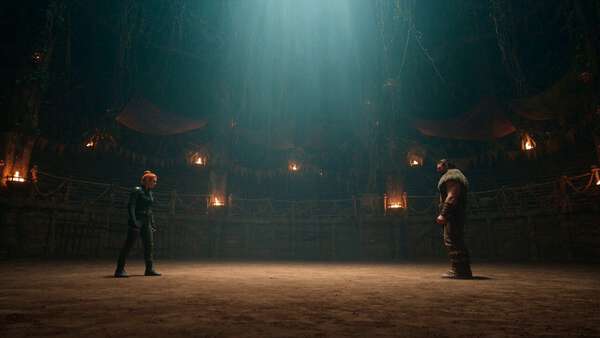
For this test, I used it to create a futuristic fighting environment for two sci-fi characters and since this was meant for a fight scene, the environment needed a readable combat lane, clear ground contact room for movement, open space behind the fighters... so the prompt focused details around the arena platform, floor seams, rails, and side architecture, while keeping the center space and character silhouette areas cleaner.
All prompts below!
Created a video of a beautiful Korean girl having a playful, dreamy day at a colorful outdoor playground. She wears a casual white shirt, dark jeans, sneakers, and carries a stylis…
Create a 15-second ultra-realistic luxury skincare commercial featuring an elegant glass jar labeled “AQUA LUXE – DEEP HYDRATION” in a cool blue, refreshing environment. Start with…
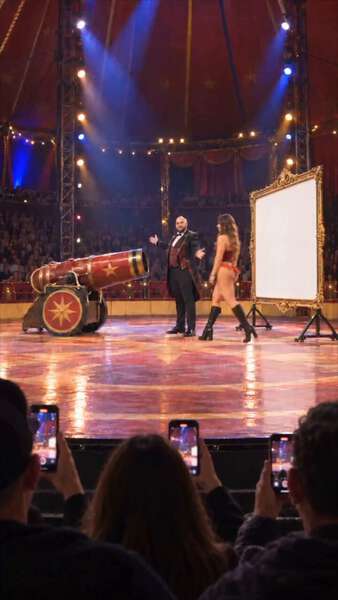
Create a highly realistic cinematic vertical video (9:16, 4K) based on the reference image. Set the scene inside a grand vintage circus tent filled with a cheering audience. A soph…
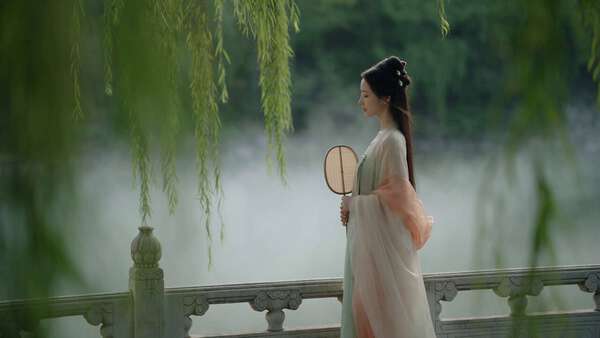
30-second ultra-photorealistic live-action cinematic portrait film, ancient Chinese Tang Dynasty garden aesthetic, intimate historical portrait photography / classical beauty MV. S…
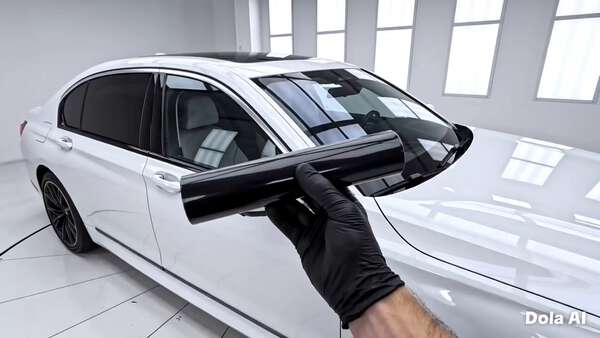
Create a 10-second ultra-photorealistic premium automotive ASMR video, continuous FIRST-PERSON MALE POV in a sterile white luxury detailing studio, same white premium sedan and mat…
CAMERA: Stay close to action using ground-level tracking, face push-ins, short body arcs, Dutch tilts, fists/boots crossing foreground, camera lowering with rolls and sudden extrem…